
T: +86-18906892820
F4-19037-6#, Yiwu Intl Trade Mart, Yiwu Jinhua, Zhejiang, China (Mainland)

Views: 0 Author: Site Editor Publish Time: 2026-11-05 Origin: Site


As grid infrastructure ages and transmission capacities scale, utility operators face mounting pressure to reduce maintenance overhead while ensuring absolute line reliability. High-voltage networks span unforgiving terrains, exposing components to severe weather, mechanical stress, and electrical fatigue. Legacy insulation materials often suffer from hidden internal degradation. You might encounter micro-cracking in porcelain or tracking in polymers. These hidden failures require expensive, labor-intensive diagnostic testing to prevent catastrophic line faults and unexpected outages.
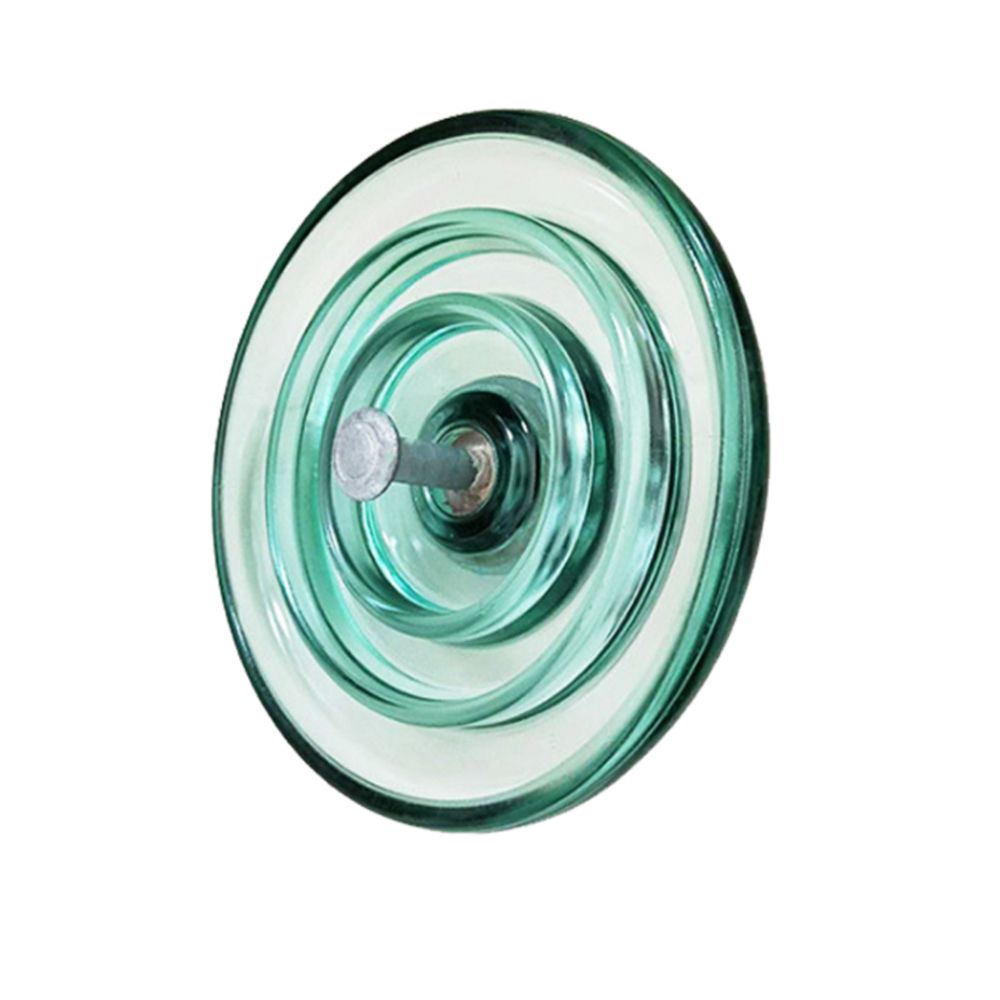
Evaluating the modern Glass Insulator, specifically toughened variants, reveals a verifiable, fail-safe alternative. It shifts maintenance from complex electrical diagnostics to rapid visual inspections, fundamentally altering lifecycle returns. By eliminating the guesswork associated with internal dielectric breakdown, grid operators can streamline patrol operations and guarantee structural integrity across vast transmission corridors.
High-voltage and extra-high-voltage (EHV) transmission lines operate under relentless physical and electrical demands. The baseline operational requirement for any transmission line is a dual mandate. Components must provide absolute electrical isolation between live conductors and grounded towers. Simultaneously, they must deliver unyielding mechanical support to keep the conductors safely suspended above the ground and surrounding infrastructure.
Insulators must support immense conductor loads across long spans. They face dynamic environmental stresses daily. Wind creates severe lateral forces, while ice accumulation adds massive vertical weight. Lines in northern territories regularly carry radial ice loads exceeding two inches, putting extreme tension on the suspension strings. Seismic activity and aeolian vibrations introduce continuous mechanical fatigue. Structural yielding is simply not an option. If an insulator string fails mechanically, the conductor drops, creating a severe public safety hazard and a massive network disruption. Therefore, the mechanical load capacity must consistently exceed the maximum environmental stress anticipated for that specific geographic region.
Transmission networks operate across various voltage classes, typically ranging from 115kV up to 765kV. As the voltage increases, the required creepage distance and dry arcing distance scale proportionally. A 115kV line might only require a string of seven to nine discs, while a 500kV EHV line demands strings of twenty-four or more discs. Each additional disc adds weight and mechanical complexity to the suspension point. The hardware must handle the static weight of the conductor and the dynamic loads introduced by wind galloping or sudden ice shedding. When a thick layer of ice suddenly drops from a conductor span, the resulting upward snap creates a violent mechanical shock. The insulator string must absorb this kinetic energy without separating.
Beyond mechanical load, transmission hardware must manage intense electrical fields. At voltages exceeding 230kV, the electrical stress concentrates heavily at the line end of the insulator string. This concentration can cause corona discharge, which breaks down the surrounding air, generates audible noise, and causes radio interference voltage (RIV). To mitigate this, crews install corona rings or grading rings at the bottom of the string. These metal rings reshape the electrical field, distributing the stress evenly across the lower glass discs and preventing localized arcing. The insulators themselves must possess a high enough puncture voltage to force any overvoltage surge to flash over the outside of the string rather than punching through the dielectric material.
Traditional insulator maintenance carries heavy financial and operational burdens. Detecting faults in legacy materials requires live-line testing. Crews must physically access the towers, often using specialized buzz sticks or electrical field measurement tools to check each individual disc in a string. This process is incredibly slow and highly dangerous. Undetected internal punctures present massive risks. A porcelain unit might look perfectly fine from the ground but possess zero insulating value due to internal micro-cracks. When a surge hits the line, this hidden defect can cause a flashover, destroying the string and taking the line out of service. The cost of deploying crews for these routine defensive tests drains maintenance budgets rapidly.
Toughened glass features a predictable failure mode known as "zero-value self-explosion." This phenomenon roots deeply in the thermodynamics of the manufacturing process. During production, the glass undergoes rapid cooling. This locks the outer shell in a state of high compression while the interior remains under severe tension. This precise balance gives the material its immense strength.
Any electrical puncture or severe mechanical failure instantly compromises this internal balance. When the compressive layer breaches, the internal tension releases explosively. The glass shell safely shatters into thousands of small, blunt fragments. The metal hardware—the pin and cap—maintains its mechanical grip. The string does not drop. The operational benefit here is massive. Helicopter or drone patrols can instantly identify failed units from the air. A missing glass skirt is visible from hundreds of feet away. This completely eliminates the need for routine defensive tests, climbing inspections, or megger testing. Crews only deploy for replacement, never for troubleshooting.
Controlled air quenching provides Toughened Glass Insulators with extraordinary mechanical strength. They handle extreme temperature swings effortlessly, demonstrating superior thermal shock resistance. Whether facing a sudden freezing rainstorm after a hot day or enduring the continuous, high-frequency aeolian vibrations caused by steady winds, the toughened shell remains intact and structurally sound.
To verify this resilience, manufacturers subject these units to rigorous factory testing. The thermal shock test involves heating the glass to extreme temperatures and immediately plunging it into cold water. Only perfectly tempered glass survives this rapid contraction. Similarly, steep wave front electrical tests hit the insulator with massive voltage spikes in microseconds, simulating direct lightning strikes. Because the glass body lacks internal voids, it consistently passes these extreme overvoltage scenarios without puncturing. The current simply flashes over the outside of the skirts, leaving the internal dielectric strength completely intact.
From an electrical standpoint, glass is entirely homogeneous. It contains no internal voids, impurities, or hidden pathways. This homogeneity prevents internal tracking, a common failure mode in other materials where current slowly burns a path through the core. The dielectric constant of glass remains consistent throughout its entire operational life. It provides a reliable, non-degrading barrier against high-voltage current, ensuring absolute electrical isolation year after decade.
Grid planners must account for long-term material degradation. Glass possesses distinct non-aging properties. It does not change its chemical or physical structure over time. In contrast, composite or polymer insulators suffer heavily from environmental exposure. UV radiation breaks down the silicone rubber housing. They experience chalking, hardening, and a gradual loss of hydrophobicity. Once the water-repellent surface degrades, leakage currents increase, leading to surface tracking and eventual failure.
Porcelain presents a different set of challenges. It is highly susceptible to micro-cracking and moisture ingress. Porcelain units rely on cement to bond the ceramic body to the metal fittings. Over decades, this cement can absorb moisture and expand. The thermal expansion mismatch between the ceramic, the cement, and the metal creates immense radial stress. This stress fractures the porcelain from the inside out, creating hidden puncture paths.
The mechanism of cement growth in porcelain is a well-documented failure mode. The Portland cement used to assemble porcelain units undergoes slow chemical hydration over decades. This hydration causes the cement volume to expand. Because the cement sits trapped between the rigid ceramic body and the cast iron cap, the expansion exerts outward radial pressure. Eventually, this pressure exceeds the tensile strength of the porcelain, causing the head of the insulator to crack. Glass insulators avoid this entirely by using high-alumina cement formulations and a different head geometry that translates expansion forces into harmless compression rather than destructive tension.
Surface characteristics dictate anti-pollution and anti-corrosion performance. Glass surfaces are naturally smooth and hard. They resist pollution accumulation far better than porous ceramics or textured polymers. Natural rain washing easily removes dust, salt, and industrial contaminants from the glass skirts. In coastal salt fog environments or heavy industrial zones, glass excels. It does not suffer from surface carbonization, tracking, or chemical corrosion. Furthermore, the interface between the glass body and metal fittings is specifically engineered to resist rust-induced swelling, eliminating the expansion failures common in older ceramic models.
Maintenance crews also face different challenges regarding live-line washing. In heavily polluted coastal or industrial areas, contaminants build up on the insulator skirts. Utilities often deploy specialized trucks or helicopters to spray high-pressure demineralized water onto the energized strings to wash away the salt and grime. Glass insulators handle this thermal shock exceptionally well. The cold water hitting the sun-baked glass does not cause fracturing. Porcelain, however, requires strict temperature differentials during live-line washing to prevent the ceramic from cracking under the sudden temperature change. Composite insulators generally avoid washing altogether, relying instead on their hydrophobic properties, but once those properties fade, the utility has few options other than complete replacement.
| Performance Metric | Toughened Glass | Porcelain | Composite / Polymer |
|---|---|---|---|
| Failure Mode | Shatters completely (visible from afar) | Internal micro-cracking (hidden) | Core tracking / rod fracture (hidden) |
| Inspection Method | Rapid visual inspection (drone/heli) | Live-line instrument testing | UV camera / close visual inspection |
| Aging Profile | Non-aging, indefinite lifespan | Cement expansion over decades | UV degradation, loss of hydrophobicity |
| Moisture Resistance | Impervious to moisture | Susceptible to ingress via cracks | Susceptible at end-fitting seals |
| Pollution Handling | Smooth surface, easy rain washing | Prone to contaminant buildup | Relies on hydrophobicity (which fades) |
| Live-Line Washing | Highly resistant to thermal shock | Requires strict temperature controls | Not recommended |
Selecting the right hardware requires matching specific insulator profiles to diverse electrical projects. Standard profiles work well for clean environments and typical transmission corridors. Fog-type or anti-pollution profiles feature deeper ribs and alternating shed diameters. These increase the creepage distance, making them mandatory for coastal substations, heavy industrial zones, and areas with high particulate pollution. Aerodynamic profiles offer a flatter design, allowing high winds to naturally scour the surface clean in desert or arid environments.
Engineers must carefully calculate load ratings and string configurations. Mechanical ratings typically range from 70kN for lighter distribution tasks up to 530kN and beyond for massive EHV river crossings. You must select the correct mechanical failing load based on span length, conductor weight, maximum ice loading, and extreme wind conditions. Glass Disc Suspension Insulators are inherently modular. Crews connect them using standard ball and socket couplings to form customized strings. Whether you need a simple I-string for suspension, a V-string to restrict conductor sway in tight right-of-ways, or a robust dead-end string to hold high tension, glass discs adapt easily to specific voltage classes and clearance requirements.
Connection hardware is another critical specification. The industry relies on standardized ball and socket couplings, typically designated by pin diameters like 16mm, 20mm, or 24mm, depending on the required mechanical failing load. These connections utilize stainless steel split pins or W-clips to lock the ball securely into the socket. During specification, engineers must ensure the locking mechanisms are rated for the specific vibration profile of the line. For areas prone to severe aeolian vibration, specialized locking clips prevent the pins from backing out over time, ensuring the string remains securely coupled even under decades of continuous mechanical oscillation.
Compliance with industry standards ensures safety and interoperability. The International Electrotechnical Commission (IEC) and the American National Standards Institute (ANSI) dictate strict manufacturing, testing, and performance criteria. IEC 60383 is a primary standard governing these components. Procurement teams must verify that manufacturers conduct rigorous type tests to validate the design, sample tests to ensure batch quality, and routine tests on every single unit before it leaves the factory. Routine thermal shock testing and mechanical pull testing guarantee that only flawless units reach the field.
While toughened glass is highly durable in service, handling and installation present specific vulnerabilities. The outer shell holds immense compressive strength, but it can be vulnerable to sharp point impacts. Rough handling during transport, dropping units on hard ground, or striking the glass with metal tools during stringing can trigger the self-explosion mechanism prematurely.
Transport logistics require careful planning. Manufacturers pack glass insulators in heavy-duty wooden crates, separating each disc with wooden dividers to prevent glass-to-glass contact. A standard pallet might hold up to 100 units, weighing over a ton. Forklift operators and warehouse personnel must handle these pallets smoothly. Dropping a pallet even a few inches onto a concrete floor can send a shockwave through the crate, potentially triggering the self-explosion of several units. Once on site, linemen transfer the units to the tower base using specialized lifting bags or padded slings. Dragging the units across rocky ground or allowing the metal caps to strike the glass skirts of adjacent units during hoisting will cause unnecessary breakages before the string even reaches the crossarm.
Modern construction techniques often utilize helicopter stringing to pull conductors across difficult terrain. This method introduces unique dynamic loads. As the helicopter pulls the sock line through the stringing blocks, the insulator strings experience rapid, shifting lateral forces. If the blocks are not properly aligned, or if the pulling tension spikes unexpectedly, the metal hardware can bind and strike the glass skirts. Crews must use specialized stringing blocks with neoprene linings and ensure the pulling angles remain within strict tolerances to protect the glass during these high-speed operations.
To mitigate these risks, utilities must mandate strict handling protocols. Proper crating is essential. Crew training on installation best practices is equally critical. Linemen must use proper rigging techniques and avoid resting heavy metal blocks directly against the glass skirts during conductor pulling operations.
Vandalism and impact considerations remain a reality in remote areas. Transmission lines often cross hunting grounds or isolated regions where insulators become targets for rifle fire. If a bullet strikes a toughened glass unit, the shell will shatter instantly. However, the engineering design accounts for this exact scenario. The remaining glass stub stays locked tightly between the metal pin and cap. This guarantees the mechanical integrity of the string. The conductor will not drop. The line remains safely energized until maintenance crews schedule a routine replacement based on their visual patrol data.
Toughened Glass Suspension Insulators remain the most reliable, verifiable, and efficient solution for high-voltage transmission lines demanding long-term mechanical and electrical integrity. Their non-aging properties, coupled with the fail-safe zero-value self-explosion characteristic, eliminate the need for dangerous and expensive live-line diagnostic testing. For critical transmission corridors, areas with high thermal cycling, and utilities transitioning to drone-based visual maintenance programs, specifying toughened glass is the logical engineering choice.
To integrate these components into your next infrastructure upgrade, follow these immediate steps:
A: It serves a critical dual role. First, it provides absolute electrical isolation, preventing high-voltage current from leaking from live conductors into grounded transmission towers. Second, it offers unyielding mechanical support, securely holding heavy conductors across long spans while withstanding severe wind, ice, and dynamic environmental loads.
A: Toughened glass features a non-aging dielectric profile. It does not degrade under UV light, nor does it suffer from internal chemical changes over time. Consequently, these insulators routinely exceed a 50-year operational lifespan without experiencing any internal electrical degradation or loss of mechanical strength.
A: The manufacturing process involves rapid air quenching, which locks the outer glass shell in compression and the interior in tension. If any electrical puncture or mechanical damage breaches the compressive layer, the internal tension releases instantly, causing the entire shell to shatter safely into small fragments.
A: They perform exceptionally well. The glass surface is naturally smooth and hard, making it difficult for dust, salt, and industrial pollutants to adhere. They resist surface tracking and chemical corrosion, and they benefit greatly from natural self-cleaning during rainstorms, maintaining high insulation values.
A: Yes, glass strings are significantly heavier than composite polymer strings. While this requires robust tower designs to handle the dead weight, the trade-off is a massive reduction in lifecycle maintenance. The weight difference is offset by the elimination of routine diagnostic testing and the indefinite lifespan of the glass.
A: No, they do not. Because any electrical or mechanical failure results in the visible shattering of the glass shell, failed units are easily identified via quick visual inspections using drones or helicopters. This completely eliminates the need for dangerous, labor-intensive live-line instrument testing.
A: Annealed glass cools slowly and lacks significant structural strength, making it prone to cracking under thermal or mechanical stress. Toughened glass undergoes rapid cooling to create immense internal stresses, providing the high mechanical strength and thermal shock resistance mandatory for modern high-voltage transmission applications.


