| U40B | |
| Diameter ( D ) mm | 178 |
| Spacing ( H) mm | 110 |
| Creepage (L ) mm | 185 |
| Socket coupling mm | 11 |
| Mechanical Routine test ( KN) | 40 |
| Wet Power Frequency Withstand Voltage ( KV ) | 25 |
| Dry Lightning Impulse Withstand Voltage (KV ) | 50 |
| Power Frequency Puncture Voltage ( KV ) | 90 |
| Net Weight ( KG ) | 2.1 |
| Availability: | |
|---|---|
| Quantity: | |
U40B
SASUN
8546100000

With 20 years of experience and investment in R&D, SASUN has gained uncontested expertise in research, design, manufacturing and testing of insulators for power networks up to very high voltages and for railway catenary systems. SASUN is the partner of choice for all insulation applications.
Always on the lookout for continuous technological improvements, SASUN heavily invests in Research and Development. Our research and testing facilities as well as our high voltage CEB laboratory both located in France boast state-of-the-art equipment that allows extensive research programs as well as testing of complete strings for systems up to 800 kV.
SASUN manufacturing processes are unique in the world.
These processes have been developed and improved thanks to the experience SASUN has gained over the years following-up and assessing the performance of millions of insulators in service as well as through the integration of the latest technological advances.
Our goal: your satisfaction through the reliability of our products on your lines.
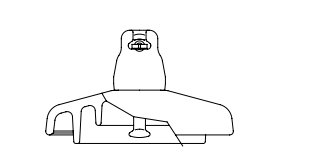
Standard profile:
The standard profile is characterized by a leakage distance* higher than the values indicated in the IEC 60305 for standard insulators and by shallow and well-spaced under-ribs that allow an effective self-cleaning action by wind or rain. It features a “leakage distance/spacing” ratio of around 2.2 and is particularly effective in suspension and tension applications in very light to medium polluted areas where typically the pollution level (ESDD) is lower than 0.1 mg/cm2.
Fog type profile:
The fog type profile is characterized by long and widely-spaced under-ribs so as to avoid arc bridging between adjacent ribs. It features a « leakage distance/spacing » ratio of around 3.2 and is particularly effective in coastal areas (Salt fog) as well as in polluted areas where a higher specific leakage distance is required.
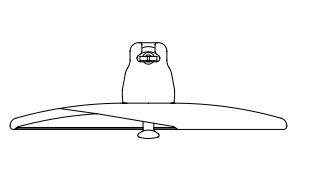
Open profile:
The open type profile features a « leakage distance/spacing » ratio of around 2.4, with no under-ribs so as to avoid the accumulation of solid pollution deposits (dust, sand) on its lower surface. It is particularly adapted to suspension and tension applications in desert areas where wind is predominant and rain infrequent.
It is also effective for dead-end strings in cases of extreme industrial pollution and can solve ice-bridging problems when it is alternated with other profiles in the string.
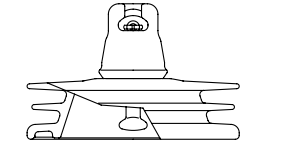
External shed profile:
This profile offers a leakage distance equivalent to the anti-pollution profile and is adapted to the most extreme cases of solid pollution.
The elimination of the under-ribs reduces pollution build-up, promotes self-cleaning and facilitates manual cleaning when necessary.
| Product names and types | Voltage grade(KV) | Product names and types | Voltage grade(KV) | ||
| Fog type profile | U70BLP | 10KV-330KV | Standard profile | U40B | 10KV-66KV |
| U70BLP1 | 10KV-330KV | U70BS | 10KV-330KV | ||
| U70BLP2 | 10KV-330KV | U70BL | 10KV-330KV | ||
| U80BLP | 10KV-330KV | U100BS | 10KV-330KV | ||
| U80BLP1 | 10KV-330KV | U100BL | 10KV-330KV | ||
| U100BLP | 10KV-330KV | U120B | 10KV-330KV | ||
| U100BLP1 | 10KV-330KV | U160BS | 10KV-500KV | ||
| U100BLP2 | 10KV-330KV | U160BM | 10KV-500KV | ||
| U120BP | 10KV-330KV | U160BL | 10KV-500KV | ||
| U120BP1 | 10KV-330KV | U210B | 10KV-500KV | ||
| U120BP2 | 10KV-330KV | U240B | 10KV-500KV | ||
| U160BMP | 10KV-500KV | U300B | 10KV-500KV | ||
| U160BLP | 10KV-500KV | U420B | 10KV-500KV | ||
| U160BMP1 | 10KV-500KV | U530B | 10KV-1000KV | ||
| U160BLP1 | 10KV-500KV | U550B | 10KV-1000KV | ||
| U210BP | 10KV-500KV | Double shed profile | U70BLD | 10KV-330KV | |
| U70BLP1 | 10KV-500KV | U70BSD | 10KV-330KV | ||
| U210BP1 | 10KV-500KV | U100BLD | 10KV-330KV | ||
| U240BP1 | 10KV-500KV | U100BSD | 10KV-330KV | ||
| U240BP2 | 10KV-500KV | U120BLD | 10KV-330KV | ||
| U300BP | 10KV-500KV | U160BLD | 10KV-500KV | ||
| U300BP1 | 10KV-500KV | U160BSD | 10KV-500KV | ||
| Open profile | U70BSM | 10KV-330KV | U160BMD | 10KV-500KV | |
| U70BLM | 10KV-330KV | U210BD | 10KV-500KV | ||
| U100BSM | 10KV-330KV | U240BD | 10KV-500KV | ||
| U100BLM | 10KV-330KV | Ground profile | U70C | 10KV-330KV | |
| U120BLM | 10KV-330KV | U70CN | 10KV-330KV | ||
| U160BSM | 10KV-500KV | U100C | 10KV-330KV | ||
| U160BMM | 10KV-500KV | U100CN | 10KV-330KV | ||
| U160BLM | 10KV-500KV | ||||
| U210BM | 10KV-500KV | ||||
| U240BM | 10KV-500KV | ||||
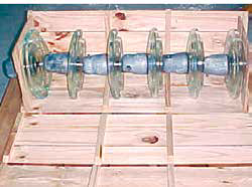
The packing and palletizing methods used by Sediver® result from the experience gained from the shipment of hundreds of millions of toughened glass insulators to users’ warehouses and construction sites in 150 countries as well as from extensive tests performed by packing research organizations.
The packing methods described and illustrated below have been developed expressly to minimize any possible damage during shipment and storage.
The wood used for packing is either standard or treated according to country regulations or/and customer specification.
Q: What is the U40B Toughened Glass Suspension Insulator used for?
A: The U40B Toughened Glass Suspension Insulator is designed for high-voltage overhead lines to support and insulate conductors, providing reliable performance in power transmission and distribution applications.
Q: What materials are used in the U40B Toughened Glass Suspension Insulator?
A: This insulator is made from high-strength toughened glass with a metal cap and pin, offering excellent dielectric properties and mechanical strength for outdoor use.
Q: How do I identify if a U40B insulator has failed or is damaged?
A: Because of the transparent nature of toughened glass, cracks or internal defects are easier to spot during visual inspections, helping maintenance teams detect issues quickly.
Q: What are the standard electrical ratings for U40B insulators?
A: Typical ratings for U40B include a nominal creepage distance around 185–190 mm and wet power frequency withstand voltage near 25 kV, with dry lightning impulse withstand up to 50 kV.
Q: How does a suspension insulator like the U40B differ from pin-type insulators?
A: Suspension insulators hang in strings and are better suited for higher voltages, while pin insulators are mounted directly; suspension types allow easier voltage scaling by adding more units to the string.
Q: Can the U40B Toughened Glass Suspension Insulator handle polluted environments?
A: The standard profile design provides an effective creepage distance and self-cleaning shape that performs reliably in lightweight to medium pollution conditions.


With 20 years of experience and investment in R&D, SASUN has gained uncontested expertise in research, design, manufacturing and testing of insulators for power networks up to very high voltages and for railway catenary systems. SASUN is the partner of choice for all insulation applications.
Always on the lookout for continuous technological improvements, SASUN heavily invests in Research and Development. Our research and testing facilities as well as our high voltage CEB laboratory both located in France boast state-of-the-art equipment that allows extensive research programs as well as testing of complete strings for systems up to 800 kV.
SASUN manufacturing processes are unique in the world.
These processes have been developed and improved thanks to the experience SASUN has gained over the years following-up and assessing the performance of millions of insulators in service as well as through the integration of the latest technological advances.
Our goal: your satisfaction through the reliability of our products on your lines.
Standard profile:
The standard profile is characterized by a leakage distance* higher than the values indicated in the IEC 60305 for standard insulators and by shallow and well-spaced under-ribs that allow an effective self-cleaning action by wind or rain. It features a “leakage distance/spacing” ratio of around 2.2 and is particularly effective in suspension and tension applications in very light to medium polluted areas where typically the pollution level (ESDD) is lower than 0.1 mg/cm2.
Fog type profile:
The fog type profile is characterized by long and widely-spaced under-ribs so as to avoid arc bridging between adjacent ribs. It features a « leakage distance/spacing » ratio of around 3.2 and is particularly effective in coastal areas (Salt fog) as well as in polluted areas where a higher specific leakage distance is required.
Open profile:
The open type profile features a « leakage distance/spacing » ratio of around 2.4, with no under-ribs so as to avoid the accumulation of solid pollution deposits (dust, sand) on its lower surface. It is particularly adapted to suspension and tension applications in desert areas where wind is predominant and rain infrequent.
It is also effective for dead-end strings in cases of extreme industrial pollution and can solve ice-bridging problems when it is alternated with other profiles in the string.
External shed profile:
This profile offers a leakage distance equivalent to the anti-pollution profile and is adapted to the most extreme cases of solid pollution.
The elimination of the under-ribs reduces pollution build-up, promotes self-cleaning and facilitates manual cleaning when necessary.
| Product names and types | Voltage grade(KV) | Product names and types | Voltage grade(KV) | ||
| Fog type profile | U70BLP | 10KV-330KV | Standard profile | U40B | 10KV-66KV |
| U70BLP1 | 10KV-330KV | U70BS | 10KV-330KV | ||
| U70BLP2 | 10KV-330KV | U70BL | 10KV-330KV | ||
| U80BLP | 10KV-330KV | U100BS | 10KV-330KV | ||
| U80BLP1 | 10KV-330KV | U100BL | 10KV-330KV | ||
| U100BLP | 10KV-330KV | U120B | 10KV-330KV | ||
| U100BLP1 | 10KV-330KV | U160BS | 10KV-500KV | ||
| U100BLP2 | 10KV-330KV | U160BM | 10KV-500KV | ||
| U120BP | 10KV-330KV | U160BL | 10KV-500KV | ||
| U120BP1 | 10KV-330KV | U210B | 10KV-500KV | ||
| U120BP2 | 10KV-330KV | U240B | 10KV-500KV | ||
| U160BMP | 10KV-500KV | U300B | 10KV-500KV | ||
| U160BLP | 10KV-500KV | U420B | 10KV-500KV | ||
| U160BMP1 | 10KV-500KV | U530B | 10KV-1000KV | ||
| U160BLP1 | 10KV-500KV | U550B | 10KV-1000KV | ||
| U210BP | 10KV-500KV | Double shed profile | U70BLD | 10KV-330KV | |
| U70BLP1 | 10KV-500KV | U70BSD | 10KV-330KV | ||
| U210BP1 | 10KV-500KV | U100BLD | 10KV-330KV | ||
| U240BP1 | 10KV-500KV | U100BSD | 10KV-330KV | ||
| U240BP2 | 10KV-500KV | U120BLD | 10KV-330KV | ||
| U300BP | 10KV-500KV | U160BLD | 10KV-500KV | ||
| U300BP1 | 10KV-500KV | U160BSD | 10KV-500KV | ||
| Open profile | U70BSM | 10KV-330KV | U160BMD | 10KV-500KV | |
| U70BLM | 10KV-330KV | U210BD | 10KV-500KV | ||
| U100BSM | 10KV-330KV | U240BD | 10KV-500KV | ||
| U100BLM | 10KV-330KV | Ground profile | U70C | 10KV-330KV | |
| U120BLM | 10KV-330KV | U70CN | 10KV-330KV | ||
| U160BSM | 10KV-500KV | U100C | 10KV-330KV | ||
| U160BMM | 10KV-500KV | U100CN | 10KV-330KV | ||
| U160BLM | 10KV-500KV | ||||
| U210BM | 10KV-500KV | ||||
| U240BM | 10KV-500KV | ||||
The packing and palletizing methods used by Sediver® result from the experience gained from the shipment of hundreds of millions of toughened glass insulators to users’ warehouses and construction sites in 150 countries as well as from extensive tests performed by packing research organizations.
The packing methods described and illustrated below have been developed expressly to minimize any possible damage during shipment and storage.
The wood used for packing is either standard or treated according to country regulations or/and customer specification.
Q: What is the U40B Toughened Glass Suspension Insulator used for?
A: The U40B Toughened Glass Suspension Insulator is designed for high-voltage overhead lines to support and insulate conductors, providing reliable performance in power transmission and distribution applications.
Q: What materials are used in the U40B Toughened Glass Suspension Insulator?
A: This insulator is made from high-strength toughened glass with a metal cap and pin, offering excellent dielectric properties and mechanical strength for outdoor use.
Q: How do I identify if a U40B insulator has failed or is damaged?
A: Because of the transparent nature of toughened glass, cracks or internal defects are easier to spot during visual inspections, helping maintenance teams detect issues quickly.
Q: What are the standard electrical ratings for U40B insulators?
A: Typical ratings for U40B include a nominal creepage distance around 185–190 mm and wet power frequency withstand voltage near 25 kV, with dry lightning impulse withstand up to 50 kV.
Q: How does a suspension insulator like the U40B differ from pin-type insulators?
A: Suspension insulators hang in strings and are better suited for higher voltages, while pin insulators are mounted directly; suspension types allow easier voltage scaling by adding more units to the string.
Q: Can the U40B Toughened Glass Suspension Insulator handle polluted environments?
A: The standard profile design provides an effective creepage distance and self-cleaning shape that performs reliably in lightweight to medium pollution conditions.