
T: +86-18906892820
F4-19037-6#, Yiwu Intl Trade Mart, Yiwu Jinhua, Zhejiang, China (Mainland)

Views: 0 Author: Site Editor Publish Time: 2026-10-27 Origin: Site


Aging electrical grid infrastructure and increasing load demands force utility operators to accelerate component upgrades. Accurate forecasting for critical hardware remains essential for project success. Procurement and project managers face volatile material availability, extended lead times, and varying component lifespans when sourcing an Insulator. Balancing upfront wholesale expenses with long-term grid reliability proves difficult. This guide breaks down the true expenses of hardware replacement. We compare wholesale purchasing models, material trade-offs, and lifecycle economics to help infrastructure teams optimize procurement strategies. You will learn how to navigate from initial estimates to final waste removal without compromising system integrity. Field crews require reliable components that withstand severe weather events, while financial planners need predictable capital expenditure models. Bridging this gap requires a deep understanding of manufacturing variables, freight logistics, and installation labor overhead.
Defining what makes a replacement project successful requires looking beyond the initial purchase order. A successful infrastructure upgrade minimizes grid downtime. It ensures strict compliance with ANSI and IEC standards. It also keeps the project within approved capital expenditure budgets. Utility operators must balance these competing priorities. They need reliable hardware that withstands severe environmental stress over decades of continuous operation. Field execution dictates the actual financial impact of any grid modernization effort.
Analyzing the financial disparity between scheduled maintenance and emergency replacements reveals stark contrasts. Proactive replacements allow for planned outages. Crews can mobilize efficiently during standard working hours. Materials arrive via standard freight channels. Planners can coordinate traffic control and secure necessary permits weeks in advance. Emergency replacements trigger a cascade of premium expenses. Crews work overtime in hazardous conditions, often during severe weather events. Materials require expedited shipping. The financial impact of an unplanned outage far exceeds the cost of the hardware itself. Utilities often pull crews from adjacent districts to handle storm damage, incurring heavy travel and per diem expenses.
Modern utilities categorize bulk procurement into capital and operational expenditures. Upgrading entire line segments usually falls under capital expenditure. This approach allows for comprehensive modernization. Crews remove all legacy hardware and install modern equivalents simultaneously. They might reconductor the line, replace aging crossarms, and upgrade the pole hardware in one mobilization. Spot replacements typically hit operational budgets. Replacing a single flashed-over unit requires the same heavy equipment mobilization as replacing several units on that pole. The per-unit installation expense drops significantly during full segment upgrades because the mobilization overhead is distributed across hundreds of units.
Leveraging modern utility estimating tools helps forecast comprehensive project expenses. Accurate quotes must reflect more than just the hardware. They must account for specialized labor rates, including linemen, groundmen, and heavy equipment operators. They need to include site preparation and right-of-way clearing. Delivery logistics for heavy materials add substantial overhead. Software platforms help procurement teams model these variables by integrating with Geographic Information Systems (GIS). Estimators can pull pole counts directly from GIS databases to generate highly accurate Bills of Materials (BOM). This ensures the final budget aligns with actual field execution requirements.
Extreme weather events further complicate the economic forecasting of grid upgrades. Ice loading and hurricane-force winds force utilities to upgrade mechanical strength ratings. Upgrading from standard strength to high-strength hardware impacts procurement budgets. Planners must account for these upgraded specifications during the initial estimating phase to avoid mid-project budget overruns. Coastal environments require hardware with extended creepage distances to prevent salt spray flashovers, adding another layer of complexity to the procurement process.
The decision between hot work and de-energized work also shifts the economic model. Performing replacements on energized lines prevents customer outages and avoids regulatory penalties. However, hot work requires specialized cover-up gear, insulated aerial devices, and highly trained journeyman linemen. The labor overhead increases, and the work progresses slower due to strict safety protocols. De-energized work proceeds faster but requires complex switching operations to reroute power, which is not always possible on radial distribution feeds.
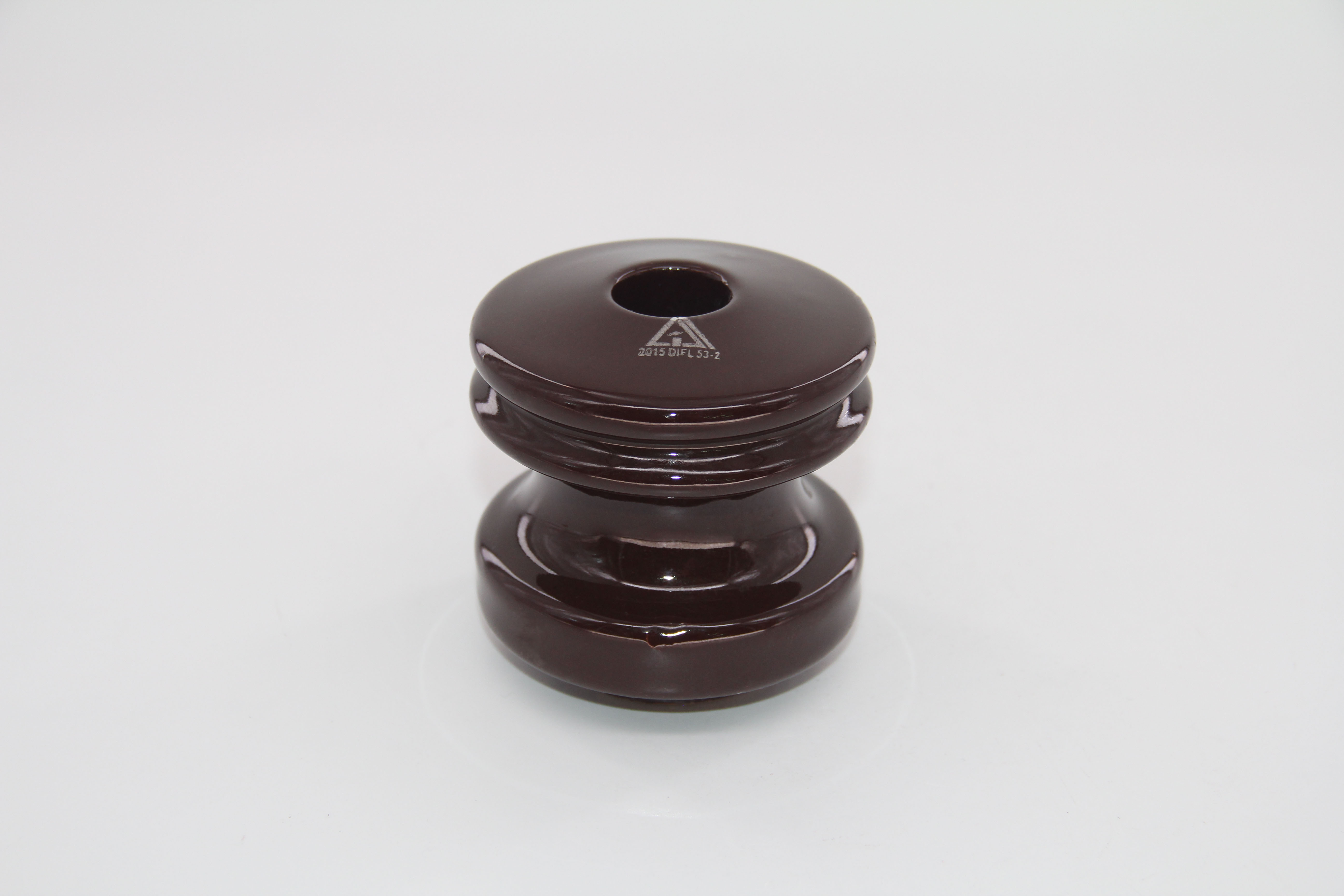
Material selection establishes the baseline for all subsequent project expenses. Porcelain offers a proven multi-decade lifespan. It withstands severe electrical and mechanical stress. However, porcelain requires a higher initial investment. Its heavy weight increases freight expenses. Crews must handle porcelain carefully to avoid chipping the sheds before installation. Polymer and composite materials present a different economic model. They require a lower initial investment. Their lightweight nature reduces shipping overhead. Crews find them easier to handle during installation, often rigging them by hand rather than requiring a winch line. Yet, polymer units may experience faster UV degradation in harsh climates, leading to tracking and eventual failure.
Toughened glass occupies a middle ground. It offers easy visual inspection for failure. A shattered glass disc immediately signals a problem. This reduces aerial inspection time. Helicopter and drone patrol crews can spot a missing glass skirt instantly. They do not need specialized thermal imaging equipment to detect micro-cracks, which lowers ongoing maintenance overhead. Glass units are heavy, similar to porcelain, but their failure mode is predictable and highly visible.
Voltage class and load requirements exponentially scale procurement expenses. Low-voltage distribution hardware remains relatively inexpensive. Manufacturers produce these units in massive quantities using highly automated processes. Extra-high-voltage transmission applications demand massive, highly engineered assemblies. The physical size of the hardware increases with the voltage rating. Higher voltages require larger creepage distances. This necessitates more raw material per unit. The manufacturing tolerances become much stricter, driving up production overhead. A 500kV suspension string requires dozens of individual discs, heavy corona rings, and specialized grading hardware to distribute the electrical field evenly.
Navigating bulk purchasing tiers impacts the final project budget. Manufacturers establish minimum order quantities to optimize their production runs. Ordering below these thresholds incurs premium rates. Global shipping container availability heavily influences final delivery rates. Procurement teams must monitor freight market fluctuations. A sudden spike in ocean freight can erase the savings gained from bulk discounts. Utilities often consolidate orders across multiple operating companies to hit higher discount tiers and fill entire shipping containers.
The global supply chain for raw materials directly influences wholesale rates. Silica, alumina, and silicone rubber commodity markets fluctuate daily. Manufacturers adjust their wholesale rates based on these raw material indexes. Procurement teams must understand these market dynamics. Locking in long-term supply contracts during commodity market dips secures favorable rates for multi-year infrastructure projects. Energy costs also play a massive role, particularly for porcelain and glass, which require energy-intensive kiln firing processes.
Delivery and site preparation logistics add hidden overhead to the procurement process. Heavy freight delivery to remote substations requires specialized transport. Standard flatbed trucks cannot always navigate rugged access roads. Right-of-way clearing must occur before installation begins. Crews must trim trees, lay down timber matting for track vehicles, and stabilize the ground for bucket trucks. These preparatory steps consume a significant portion of the project budget, especially in swampy or mountainous terrain.
Different network architectures require specific hardware profiles. Each type carries unique manufacturing and installation economics. Understanding these nuances helps procurement teams allocate budgets accurately across diverse grid modernization initiatives.
Distribution networks rely heavily on High Voltage Pin Type Insulators. Wholesale rates fluctuate based on the specific voltage rating. Units designed for 33kV networks demand more material than 11kV units. Primary cost drivers include thread specifications and neck sizes. Units requiring a radio interference glaze command a premium. This specialized glaze prevents corona discharge, which disrupts communication signals and causes localized heating.
Replacement labor considerations heavily influence the final project budget. Crews must mount these units securely to wooden, fiberglass, or steel crossarms using specialized steel pins. The process requires specific weatherproofing and sealing hardware. Linemen must carefully tie the conductor to the neck of the unit using aluminum tie wires. This manual tying process consumes valuable field time and requires significant physical exertion from the lineman. Upgrading to modern vise-top designs increases the hardware expense but reduces installation labor, as the lineman simply tightens a bolted clamp rather than wrapping tie wire.
The internal thread design also impacts manufacturing complexity. Standard 1-inch threads differ from 1-3/8 inch threads used in heavier applications. Some utilities prefer units with cast lead threads for better pin engagement and vibration dampening. Others utilize composite threads to prevent thermal expansion cracking. Each variation alters the wholesale procurement rate and affects the compatibility with existing warehouse inventory.
Secondary distribution networks utilize Porcelain Spool Insulators for neutral wire supports and secondary voltage lines. These units represent a high-volume, low-margin commodity. Unit economics favor massive bulk purchases. Manufacturers package these units efficiently to maximize pallet space. Typical wholesale lot pricing reflects these packaging efficiencies. Utilities often order these by the truckload to supply their daily operational needs.
Durability factors offset their slightly higher weight-to-cost ratio. These units endure constant mechanical tension from service drops pulling in multiple directions. They resist environmental degradation exceptionally well. Their simple design minimizes manufacturing defects. The wet process porcelain manufacturing gives them immense compressive strength, allowing them to withstand heavy ice loading on secondary triplex cables. Crews install them quickly using standard secondary racks, clevis hardware, and upset bolts. The long-term reliability of these units makes them a staple in utility inventory.
Transmission lines utilize suspension and strain configurations to support heavy conductors across long spans. Pricing models vary between individual discs and complete string assemblies. Purchasing pre-assembled strings reduces field labor, as crews do not have to pin the discs together on the ground. However, it complicates inventory management if a single disc fails during transport, requiring the crew to break apart a pre-assembled string.
Hardware inclusion significantly impacts the final quote. Buyers must specify clevis-tongue or ball-socket fittings. Ball-socket designs allow for easier hot-stick replacement. Linemen can use specialized tensioning tools to take the weight off the string and pop the ball out of the socket without dropping the conductor. Clevis-tongue designs offer robust mechanical connections using a steel pin and cotter key. The choice of connecting hardware dictates the compatibility with existing grid infrastructure. Adding corona rings for extra-high-voltage applications further increases the assembly expense.
The shed profile of suspension units also drives manufacturing expenses. Standard profiles work well in clean environments. Fog-type or anti-pollution profiles feature deeper sheds. These deeper sheds increase the creepage distance to prevent flashovers in coastal or industrial areas where salt or chemical dust coats the hardware. Manufacturing fog-type profiles requires more raw material and complex molding techniques, elevating the wholesale rate.
| Material Type | Initial Investment | Freight Overhead | Installation Labor | Visual Inspection Ease |
|---|---|---|---|---|
| Porcelain | Higher | High (Heavy) | High (Requires careful handling) | Moderate (Micro-cracks hard to see) |
| Polymer/Composite | Lower | Low (Lightweight) | Low (Easy to handle) | Moderate (Chalking/tracking visible) |
| Toughened Glass | Moderate | High (Heavy) | High (Requires careful handling) | High (Shatters completely on failure) |
Evaluating suppliers requires a rigorous vetting framework. Procurement teams cannot rely solely on marketing brochures. They must conduct comprehensive factory audits. Verifying ISO 9001 certifications ensures baseline manufacturing consistency. Reviewing historical defect rates provides insight into long-term reliability. A supplier with a documented history of low failure rates justifies a slight premium over unproven manufacturers. Securing reliable Insulator Supply for Utility Projects demands a partnership approach rather than purely transactional purchasing.
Navigating lead times demands proactive inventory management. Supply chain disruptions can halt critical infrastructure projects, leaving crews standing idle. Establishing vendor-managed inventory (VMI) programs mitigates this risk. The supplier maintains a dedicated buffer stock for the utility at a local distribution center. Phased delivery schedules align material arrival with construction milestones. This prevents job sites from becoming cluttered with excess materials, reducing the risk of theft or damage. It also defers payment until the materials actually ship to the laydown yard.
Quality assurance and testing standards protect grid integrity. Accepting the lowest bid without verifying independent laboratory testing introduces unacceptable risk. Hardware must undergo rigorous electrical, mechanical, and thermal cycling tests. Independent labs verify that the units meet published ANSI and IEC specifications. Routine factory testing catches manufacturing defects before shipment. Utilities should demand certified test reports for every batch.
Type testing validates the fundamental design of the hardware. Utilities must demand comprehensive test reports for every production lot. Critical tests include steep wave front impulse testing and power arc testing. Mechanical failing load tests ensure the hardware can support heavy ice and wind loads without snapping. Utilities often send independent inspectors to witness Factory Acceptance Testing (FAT). These inspectors verify mechanical and electrical performance before authorizing the final shipment, ensuring no substandard materials leave the factory floor.
Implementing a robust tracking system mitigates implementation risks. Barcoding or RFID tagging individual units allows utilities to trace hardware back to specific manufacturing batches. If a premature failure occurs in the field, the utility can quickly identify and quarantine the affected batch in their warehouses. This traceability prevents widespread grid vulnerabilities caused by isolated manufacturing defects. It also simplifies warranty claims with the manufacturer.
A: High voltage porcelain units typically offer a service life of 40 to 50 years. Their lifespan depends heavily on environmental conditions. Severe coastal pollution or heavy industrial contamination can accelerate surface degradation. Regular washing and maintenance help maximize their operational longevity.
A: Polymer units generally require a lower initial wholesale investment compared to porcelain. The manufacturing process for polymer is less energy-intensive. Additionally, polymer's lightweight nature significantly reduces freight and shipping overhead, further widening the initial procurement gap between the two materials.
A: Labor expenses are driven by specialized lineman hourly rates and the need for heavy equipment like bucket trucks. Site preparation involves right-of-way clearing, tree trimming, and ground stabilization. Remote locations or difficult terrain exponentially increase the time and resources required for mobilization.
A: Utilities secure reliable supply chains by establishing vendor-managed inventory agreements. They should audit manufacturing facilities and verify ISO certifications. Diversifying the supplier base prevents bottlenecks. Implementing phased delivery schedules ensures materials arrive exactly when needed for construction milestones.
A: Yes, toughened glass remains highly cost-effective for specific applications. While heavier than polymer, glass offers superior visual inspection capabilities. A failed glass disc shatters completely, allowing aerial drone or helicopter patrols to instantly identify faults without requiring complex thermal imaging equipment.
A: Minimum order quantities vary drastically by voltage class and material. Low-voltage distribution units may require MOQs in the thousands to secure optimal pallet pricing. Conversely, highly engineered extra-high-voltage transmission assemblies might have MOQs as low as a few dozen units.
A: Disposal calculations factor in the labor required to safely dismantle the hardware. Heavy legacy porcelain requires specialized hauling to approved recycling or landfill facilities. Environmental regulations dictate disposal methods for degraded polymer hardware, adding specific processing fees to the final project budget.


