
T: +86-18906892820
F4-19037-6#, Yiwu Intl Trade Mart, Yiwu Jinhua, Zhejiang, China (Mainland)

Views: 138 Author: Site Editor Publish Time: 2026-03-13 Origin: Site


Have you ever wondered why is glass a good electrical insulator in high voltage systems? Glass blocks electron flow and prevents dangerous leakage. In this article, you will learn about dielectric strength, insulation properties, and key applications. Sasun's toughened glass insulator products offer reliable performance, so you can learn more about our products.
One major reason why glass is a good electrical insulator is that its electrons are tightly bound to their atoms. In metals, electrons move freely and carry electric current easily. Glass, however, holds its valence electrons in strong covalent bonds, so they cannot travel across the material. This blocks conduction and creates very high electrical resistance. Because of this property, glass insulator is used in power transmission to separate live conductors from grounded towers. It reduces the risk of shocks, short circuits, and energy loss. Even under strong voltage stress, glass remains stable and prevents current leakage, which is essential for safe overhead line insulation.
Another key reason glass insulator properties in high voltage systems are valued is its high dielectric strength. Dielectric strength measures how much voltage a material can withstand before electrical breakdown occurs. Toughened glass insulators can resist extreme electrical tension, which is why they are installed in suspension insulator strings on transmission towers. Each disc contributes insulation strength, allowing utilities to scale protection for 110kV, 220kV, or even higher networks. This reliability is one reason why toughened glass insulators are preferred for long-distance transmission where insulation failure could cause major outages.
Glass has an amorphous, non-crystalline structure, meaning its atoms are arranged randomly instead of in neat repeating patterns. This disordered arrangement makes it difficult for charge carriers to move through the material. Electrons do not find easy pathways, so conduction is strongly blocked. This explains why does glass prevent electrical conduction so effectively compared to many solids. The amorphous structure also supports consistent insulation performance over decades. In power systems, this structural advantage helps glass remain one of the most trusted non conductive material options for overhead transmission insulation.
Tip: For high voltage utilities, selecting toughened glass insulators improves inspection efficiency because faults are often visible.
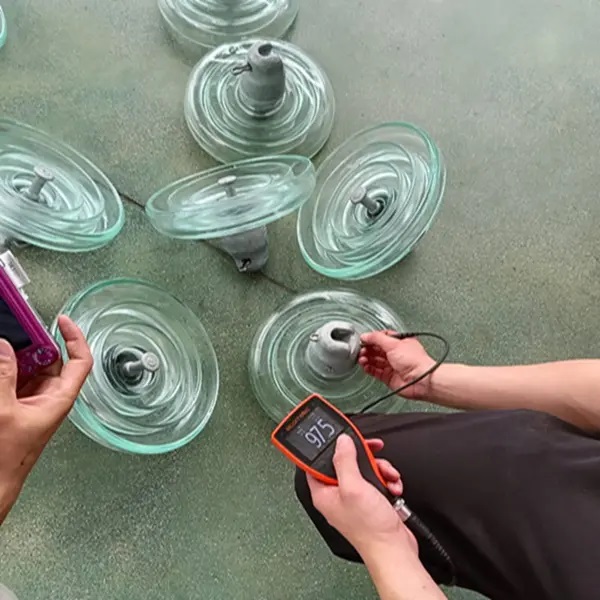
Glass is also considered an insulator because it transfers heat much slower than metals. Its thermal conductivity is around 0.8 W/m·K, while copper can exceed 400 W/m·K (needs verification). This means glass conducts heat roughly 500 times slower than copper. That is why glass is better than metal for insulation in many building and appliance applications. Although glass is not as effective as foam or fiberglass, it still provides a useful thermal barrier, especially when combined with air gaps or coatings in modern glazing systems.
Heat moves through solids by atomic vibrations called phonons. In glass, the random atomic arrangement causes phonon scattering. Vibrations collide with irregular structures, losing energy and slowing down. This reduces heat flow and supports the reasons glass is a good insulator material. The same disorder that blocks electrical conduction also disrupts thermal energy transfer. This is why glass appears in both electrical insulation products and thermal barrier systems such as insulated windows and industrial glass components.
Glass has limits as a thermal insulator because it is dense and lacks trapped air pockets. Air is one of the best thermal barriers, which is why fiberglass and foam outperform glass in pure insulation value. Single-pane glass windows often feel cold in winter because heat still passes through over time. Modern designs solve this by using double glazing, vacuum gaps, or Low-E coatings. Still, within typical building and industrial temperature ranges, glass remains stable, durable, and widely used for moderate insulation needs.
Note: Glass is an excellent electrical insulator, but only a moderate thermal insulator unless engineered into multi-pane systems.
A major advantage of glass insulator in overhead lines is its stable performance under high voltage stress. Toughened glass insulators maintain insulation strength even in harsh outdoor conditions. They resist moisture, UV exposure, and aging better than many polymer alternatives. When installed in suspension insulator strings, they provide scalable voltage protection for extra-high-voltage transmission. This reliability is why glass insulator is used in power transmission networks worldwide, ensuring safe electricity delivery across long distances.
One unique benefit of glass insulators is visible fault detection. If internal breakdown occurs, toughened glass discs often shatter into small fragments while the metal fittings remain connected. This makes damaged units easy to spot from the ground. Utilities can replace faulty discs quickly, reducing inspection time and outage risk. Sasun's toughened glass insulator products highlight this “zero-value self-shattering” advantage, helping reduce maintenance cost while improving grid safety. This self-shattering behavior is one reason why toughened glass insulators are preferred compared to opaque materials that may hide defects until failure becomes severe.
Glass does not degrade significantly under sunlight or UV exposure. Unlike some plastics, it resists weathering and corrosion over decades. This long service life reduces replacement frequency and improves lifecycle cost efficiency. For utilities managing large transmission networks, durability is a key decision factor. Glass provides consistent electrical resistance and stable mechanical support, reinforcing why glass is a good electrical insulator for outdoor infrastructure.
Key Electrical Advantages of Glass
Property | Benefit in Power Systems |
High electrical resistance | Prevents current leakage |
High dielectric strength | Supports extra-high-voltage transmission |
Amorphous structure | Blocks electron movement |
Visible fault detection | Simplifies inspection and replacement |
Toughened glass insulators are preferred because transmission lines face heavy mechanical forces. Conductors create tension, while wind vibration and ice loads add stress. Tempered glass discs withstand these conditions without cracking easily. Their strength makes them suitable for long spans, river crossings, and mountain regions. This mechanical reliability works alongside insulation strength, supporting safe grid performance.
Glass insulators also perform well in harsh environments such as coastal salt fog or industrial pollution. Their smooth surfaces reduce contamination buildup, which lowers leakage current risk. Anti-pollution profiles increase creepage distance for better flashover resistance. This stability is another reason why glass is a good electrical insulator for outdoor high voltage networks where environmental stress is unavoidable.
Glass insulators can reduce long-term maintenance costs. Their modular disc design allows utilities to replace single damaged units instead of entire strings. Visible fault detection speeds inspection and lowers downtime. Over decades, this makes toughened glass a cost-effective choice for high voltage insulation systems. Utilities often balance upfront cost with service life benefits, and glass performs strongly in that evaluation. Sasun's disc suspension toughened glass insulators are often chosen for this combination of durability and simplified preventive maintenance.
Tip: For B2B buyers, consider lifecycle cost, not just unit price, when selecting glass insulator strings.
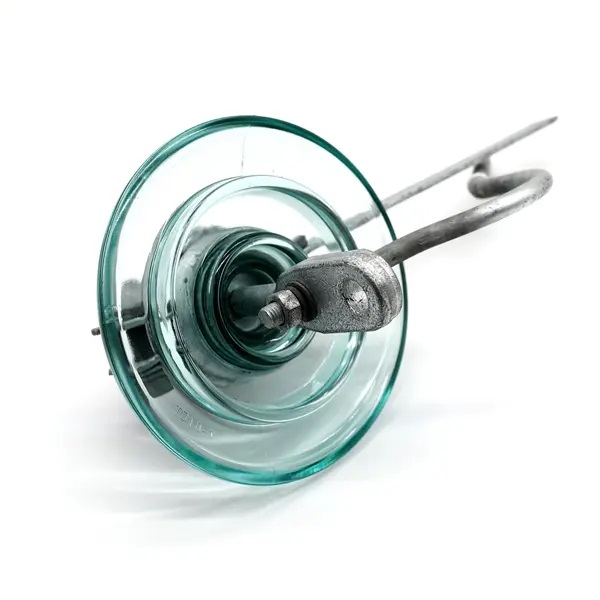
Glass is widely used in high voltage insulator discs, bushings, and fuse bodies. It prevents short circuits and keeps electricity confined to conductors. This application is one of the clearest examples of why glass insulator is used in power transmission. Without these barriers, current could flow into towers and ground, causing outages and safety hazards.
Glass also plays an important role in construction. Double or triple glazing with Low-E coatings reduces heat transfer while allowing natural light. These systems improve comfort and reduce energy bills. Although glass alone is moderate in thermal insulation, engineered glazing turns it into a key part of energy-efficient building design.
Foam glass and glass wool contain air pockets that greatly improve thermal and sound insulation. They are used in walls, ceilings, and industrial facilities. These materials reduce noise pollution and heat loss, supporting comfort and performance in buildings.
Specialty glass such as borosilicate and glass-ceramics withstand high heat and chemical exposure. They are used in labs, furnaces, and industrial systems where metal would conduct electricity dangerously or corrode. These applications show glass as a versatile insulating material beyond power lines.
Common Uses of Glass Insulation
Industry Area | Typical Application |
Power transmission | Toughened glass disc insulators |
Construction | Double-glazed Low-E coated windows |
Industrial insulation | Foam glass thermal barriers |
Electronics | Dielectric components in devices |
Rail systems | Overhead wire insulation support |
Glass is better than metal for insulation because metals contain free electrons that carry current. Glass blocks this movement, providing high resistance. This explains why glass is used as a safe barrier in electrical systems where metal would create dangerous conduction paths.
Fiberglass and foam provide higher thermal insulation because they trap air. Glass cannot match their R-values in building walls. However, glass offers transparency, durability, and electrical insulation, making it irreplaceable in windows and power applications.
Porcelain insulators have strong mechanical performance and long history. Glass insulators offer easier fault detection and smoother surfaces. Both materials remain important, and utilities select based on inspection needs, pollution level, and cost strategy.
Glass vs Other Insulators
Material Type | Strength as Insulator | Key Limitation |
Glass | High electrical, moderate thermal | Less effective alone for heat |
Fiberglass | Excellent thermal insulation | Not transparent, weaker outdoors |
Foam insulation | Very high thermal resistance | Not suitable for high voltage |
Porcelain | Strong mechanical and electrical | Faults harder to detect |
Glass is fully recyclable and has a long service life. This reduces environmental impact and replacement frequency. For utilities and builders, durability improves sustainability by lowering material waste over decades.
Energy-efficient glazing reduces heating and cooling demand. This lowers carbon emissions and supports green building goals. Glass plays a key role in balancing insulation and natural daylight.
Glass provides safety through strong insulation, fault visibility, and resistance to degradation. These qualities make it a cornerstone of modern electrical and architectural systems.
Note: Glass combines durability, insulation, and recyclability, which is why it remains widely trusted.
Understanding why is glass a good electrical insulator comes from bound electrons, amorphous structure, and high dielectric strength. Glass blocks conduction, withstands high voltage stress, and offers visible self-shattering fault detection. Sasun's toughened glass insulator products add durable value for reliable transmission and modern insulation needs.
A: Glass is a good electrical insulator because it blocks electron flow and prevents leakage.
A: Glass insulator properties in high voltage systems provide strong dielectric strength and safety.
A: Toughened glass insulators are preferred for visible fault detection and smooth pollution performance.
A: Yes, glass prevents electrical conduction and maintains reliable insulation under outdoor stress.


