
T: +86-18906892820
F4-19037-6#, Yiwu Intl Trade Mart, Yiwu Jinhua, Zhejiang, China (Mainland)

Views: 157 Author: Site Editor Publish Time: 2026-03-09 Origin: Site


Have you noticed clear discs on power towers and wondered what is a glass insulator used for in power lines? It keeps electricity on the wire and protects people from leakage. In this article, you will learn glass insulator applications in transmission systems, key advantages, and fault visibility. Sasun's toughened glass insulator products offer reliable performance, so you can learn more about our products.
A glass insulator function in overhead lines is to separate live conductors from grounded structures. It prevents current from leaking into towers, poles, or cross-arms. This matters because leakage can cause outages, shocks, or fire hazards. At the same time, the insulator provides mechanical support. It holds the conductor under strong tension. Wind, vibration, and ice loads can place heavy stress on the line. Toughened glass insulators handle these forces well. Their disc shape also increases creepage distance. This reduces surface flashover during rain or pollution. In modern grids, this combination of insulation and support makes glass insulators essential for safe overhead transmission.
A glass insulator is used for electrical insulation because glass has extremely high resistivity. Electrons cannot move freely inside it. This blocks current flow through the material. It ensures electricity stays confined within the conductor path. The design also improves safety. The disc profile creates a longer surface route for leakage current. That helps reduce flashover risk in wet or dusty conditions. In high voltage networks, this insulation strength supports stable power delivery. It also lowers energy loss from leakage currents across large distances. For utilities, strong insulation means fewer faults and better long-term reliability.
A toughened glass insulator is used in transmission towers because it combines electrical strength with mechanical durability. These insulators are heat-treated. Tempering improves their ability to withstand wind loads, ice buildup, and conductor vibration. In extra-high-voltage systems, multiple glass discs are linked together. This creates a suspension insulator string that can handle extreme voltage stress. Another advantage is transparency. Maintenance teams can detect cracks or impurities more easily. If severe breakdown occurs, the glass may self-shatter. The metal fittings remain connected, so the line stays supported until replacement. This feature improves inspection efficiency, and Sasun's toughened glass insulator models are often recognized for this visible self-shattering advantage in utility maintenance.
Tip: For long-span towers, choose toughened glass insulators with adequate mechanical load ratings.
The glass insulator role in suspension insulator strings is central in high voltage transmission. Instead of using one solid insulator, engineers connect many glass discs in series. Each disc contributes a portion of the voltage withstand level. This modular approach allows easy scaling for 220kV, 500kV, or even UHV lines. If one disc fails, utilities can replace only that unit. This reduces downtime and maintenance cost. Glass insulators also offer smooth surfaces. Dust buildup is less severe compared with rougher materials. That improves pollution performance. In modern networks, suspension strings remain the dominant solution for overhead insulation.
Glass insulators are essential in long-distance power transfer. High voltage transmission lines must carry electricity across hundreds of kilometers. Any leakage current would waste energy and raise fault risk. Glass insulators prevent this by providing strong dielectric barriers. They also maintain stable conductor spacing from towers. This supports safe clearance under all weather conditions. In many regions, glass insulator applications in transmission systems remain common because they resist aging well. Their electrical properties stay stable for decades. This reduces replacement frequency and lowers lifecycle cost. Reliable insulation is a foundation for grid stability.
Glass insulators are also used in railway electrification systems. Overhead contact wires deliver power to trains. These wires operate at high voltage and must remain isolated from metal structures. Glass insulators provide both support and insulation. They help prevent grounding faults that could disrupt service. Railway environments also involve vibration and mechanical stress. Toughened glass handles these conditions well. The self-shattering feature can help crews locate damaged units quickly. In this way, glass insulators contribute to safe and efficient rail transport networks.
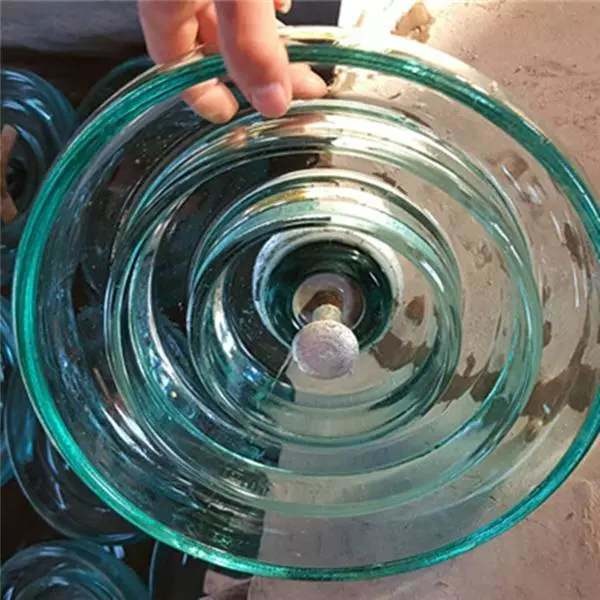
Why glass insulators are used in high voltage systems comes down to dielectric strength and inspection benefits. Toughened glass can reach very high dielectric values, sometimes higher than porcelain (needs verification). This makes it suitable for extreme voltage stress. Glass is also transparent. Faults are easier to see from the ground. If internal breakdown occurs, the disc often shatters visibly. That speeds up maintenance decisions. In large grids, faster inspection reduces outage risk. These features explain why glass remains a trusted high voltage insulator option worldwide.
Glass insulator advantages in power distribution include durability, smooth surface performance, and stable aging behavior. Glass does not degrade electrically as quickly as some materials. Its smooth surface reduces contamination buildup. That improves flashover resistance in moderate pollution areas. Mechanical strength also supports conductor stability in storms. Utilities value these benefits because they lower long-term operating cost. Glass insulators also provide consistent performance over decades. This makes them cost-effective for many distribution and transmission projects.
One unique advantage of toughened glass is visible fault detection. If a serious fault happens, the glass disc breaks into small fragments. The metal fittings remain attached. This means the conductor stays supported. Maintenance teams can quickly spot the damaged unit. This reduces hidden failure risk. It also improves inspection speed. In large overhead networks, this feature can save significant labor time. It supports safer, more reliable grid operation, and Sasun's disc suspension toughened glass insulators are often highlighted for this “zero-value self-shattering” benefit in preventive maintenance.
Key Benefits of Glass Insulators
Advantage | Practical Value in Power Systems |
High dielectric strength | Supports extra-high-voltage transmission |
Transparent fault visibility | Cracks and failures are easier to detect |
Smooth surface | Reduces dust buildup and pollution flashover |
Mechanical durability | Handles wind, ice, and conductor tension |
Note: Visible self-shattering is one reason glass insulators remain popular in many countries.
Several glass insulator types are used in overhead systems. Standard profile designs work well in low to moderate pollution environments. Anti-pollution profiles have longer creepage distance. They are better for coastal or industrial zones. Aerodynamic or open profiles are useful in desert regions. Their shape reduces dust adhesion. Each type is chosen based on environmental stress and voltage requirements. Selecting the right profile helps reduce flashover risk and improves long-term reliability.
Standard glass insulators are common in typical climates. They provide strong insulation and mechanical support. However, in heavy salt fog or industrial pollution, contamination can form conductive layers. Anti-pollution designs extend creepage distance. This increases the surface path for leakage current. It reduces flashover probability. Utilities often specify these designs for harsh regions. Correct profile selection can improve service life and reduce maintenance frequency.
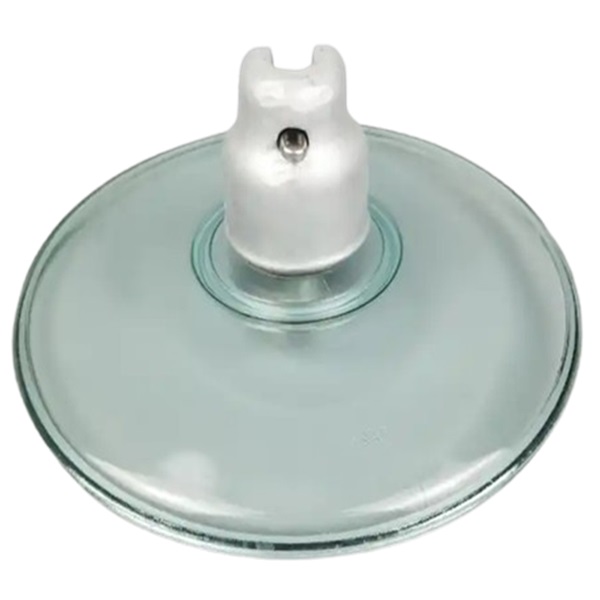
A toughened glass disc insulator is made from a tempered glass unit bonded to steel caps and pins. Hot-dip galvanizing protects metal parts from corrosion. High-strength cement secures the fittings. Tempering improves mechanical strength. It also ensures safe shattering behavior under severe fault stress. The disc shape helps manage electrical fields and increases creepage distance. This construction supports reliable operation in high voltage networks for decades, and Sasun's glass insulator product lines are designed around these proven disc suspension structures.
Common Glass Insulator Design Options
Design Type | Best Application Area |
Standard profile | General overhead transmission lines |
Anti-pollution profile | Coastal and industrial environments |
Aerodynamic/open profile | Desert, sandy, heavy dust regions |
Glass insulator vs porcelain insulator performance differs in key ways. Glass offers higher transparency and easier fault detection. Porcelain provides strong mechanical strength and long service history. Glass surfaces are smoother, which reduces dust buildup. That improves pollution withstand in many cases. Porcelain may resist moisture stagnation better in some climates. Both are widely used for high voltage ratings. Utilities select based on inspection needs, environment, and cost strategy. Understanding these differences helps engineers choose the best option.
Glass insulators can reduce inspection cost because faults are visible. Replacement is often faster. Porcelain may require more detailed testing to find hidden cracks. Glass is also recyclable, which adds environmental value. Over decades, both options can be cost-effective. The best choice depends on project conditions. Utilities often balance upfront cost with long-term maintenance savings. In large networks, easier inspection can translate into significant operational benefits.
Glass insulators are best for high voltage transmission where inspection speed matters. They are also strong choices in moderate to heavy pollution zones due to smooth surfaces. Suspension strings using toughened glass are common above 500kV in many countries. Their stable electrical properties support long service life. For utilities focused on reliability and fast maintenance, glass remains a preferred solution.
Glass vs Porcelain Insulators
Feature | Glass Insulator | Porcelain Insulator |
Dielectric strength | Very high | Moderate |
Fault detection | Easy, visible shattering | Harder, not transparent |
Pollution performance | Strong due to smooth surface | Moderate |
Mechanical strength | Good | Very strong |
Glass insulators resist aging well. Their electrical characteristics remain stable over time. Unlike some materials, glass does not suffer major performance degradation with age. This reduces replacement frequency. Glass is also 100% recyclable. Metal fittings are recyclable too. This supports sustainable infrastructure goals. Utilities benefit from long service life and lower environmental impact. For large transmission projects, durability and recyclability are valuable lifecycle advantages.
Glass insulators improve safety by preventing leakage currents and grounding faults. They reduce shock risk for workers and the public. They also lower flashover events that could lead to fires or outages. Visible fault detection further improves safety. Crews can identify damaged units quickly and replace them before failures escalate. In this way, glass insulators support safer grid operation and better system reliability.
Toughened glass insulators perform well in harsh weather. They withstand strong winds, ice loading, and temperature extremes. Their mechanical resilience keeps conductors stable. Smooth surfaces reduce contamination buildup during storms. This combination supports reliable insulation even in demanding climates. For utilities, weather resilience is critical for preventing outages during extreme events.
Tip: In coastal zones, anti-pollution glass profiles help reduce salt-related flashover risks.
Understanding what is a glass insulator used for shows its value in modern overhead power systems. Glass insulators provide strong insulation, reliable support, and scalable protection in suspension strings. Their smooth surface reduces dust, while transparency enables visible self-shattering fault detection. Sasun's toughened glass insulator products add durable performance and trusted solutions for safe transmission networks.
A: A glass insulator is used for electrical insulation and safe conductor support.
A: Glass insulator applications in transmission systems reduce leakage and improve reliability.
A: A glass insulator offers easier fault detection and smoother pollution performance.
A: A glass insulator can self-shatter visibly, making damaged units easy to replace.


