
T: +86-18906892820
F4-19037-6#, Yiwu Intl Trade Mart, Yiwu Jinhua, Zhejiang, China (Mainland)

Views: 0 Author: Site Editor Publish Time: 2026-11-17 Origin: Site


High-voltage infrastructure reliability hinges entirely on component integrity. Utility procurement teams face volatile material costs and extended global supply chain lead times for critical hardware. Balancing upfront capital expenditure with long-term operational reliability is a daily challenge. You must navigate fluctuating raw material expenses while ensuring strict adherence to mechanical and electrical performance standards. Grid stability depends on these foundational purchasing choices. A single component failure can trigger regional outages and severe regulatory penalties. Therefore, sourcing strategies require rigorous technical and financial scrutiny before issuing any purchase orders.
This guide deconstructs the primary cost drivers and material trade-offs necessary to evaluate and source a Post Insulator effectively. We provide actionable insights for navigating vendor proposals and understanding how environmental factors dictate material selection. Ultimately, this approach aligns engineering requirements with procurement realities to ensure defensible, risk-mitigated purchasing decisions.
Establishing baseline technical requirements before evaluating vendor proposals prevents under-specifying critical components or over-paying for unnecessary features. Engineering and procurement teams must align on these specifications early in the project lifecycle. A misaligned specification leads to premature grid failures or bloated capital expenditures. You need a clear framework to evaluate competing bids accurately. Success requires matching the component's physical capabilities to the specific grid environment. When sourcing Post Insulators for Utility Procurement, you must define the exact operational parameters first.
Matching mechanical strength ratings to specific grid applications ensures long-term stability. You must evaluate cantilever, tensile, and compression forces independently. Cantilever strength dictates how well the unit withstands lateral forces. Wind loads and ice accumulation on conductors generate severe cantilever stress. In the field, a 115kV switch stand requires rigid support. If the cantilever strength is under-specified, the switch blades will misalign during operation. This causes arcing and immediate equipment failure. Tensile strength matters when the unit faces pulling forces, while compression ratings are critical for supporting heavy vertical loads. Substation equipment relies heavily on high compression resistance. Heavy busbars exert massive downward force, and we calculate compression ratings based on maximum ice loading and short-circuit forces.
Engineers utilize advanced computer-aided design models to evaluate the K-value. This metric measures stiffness and deflection under maximum load conditions. Integrating electrical, mechanical, and dimensional requirements optimizes the total material volume. Precise modeling ensures the unit bends within acceptable tolerances without snapping. This precision directly impacts the raw material required for manufacturing. Less material reduces the baseline production expense without sacrificing safety margins. You avoid unnecessary over-engineering expenses while maintaining strict compliance with operational demands.
Basic Impulse Level (BIL) and creepage distance dictate the physical size of the unit. Higher BIL ratings require taller units to prevent electrical flashovers during lightning strikes. A 550kV BIL rating requires a specific dry arcing distance that cannot be compromised. Creepage distance measures the shortest path along the insulator surface between conductive parts. High-voltage applications demand extended creepage paths to prevent tracking. Larger sizes require significantly more raw material volume, which directly elevates the baseline manufacturing expense. You must calculate these metrics precisely to balance safety margins with procurement budgets.
Installation environments drastically alter baseline procurement requirements. You must evaluate the Site Pollution Severity (SPS) before selecting materials. Coastal salt fog creates a conductive brine on the insulator surface, introducing severe corrosion and tracking risks. Industrial pollution coats surfaces in highly conductive grime, such as fly ash or chemical residue. Agricultural dust mixed with light rain forms a similar conductive paste. Desert sand causes abrasive wear and tear over decades of exposure. Each environment demands specific countermeasures to maintain dielectric strength. Ignoring local environmental conditions guarantees premature component degradation.
Extreme environments necessitate specific shed profiles and advanced materials. Highly polluted areas require extended alternating shed designs. These profiles prevent continuous water films from forming during heavy rain. We use specific shed profiles to break up these conductive paths effectively. You might need highly hydrophobic materials like specialized silicone rubber. Hydrophobicity forces water to bead up and roll off, carrying dirt away. These specialized formulations and complex mold designs alter your baseline procurement budget. Standard off-the-shelf units will fail rapidly in severe SPS zones, forcing costly emergency replacements.
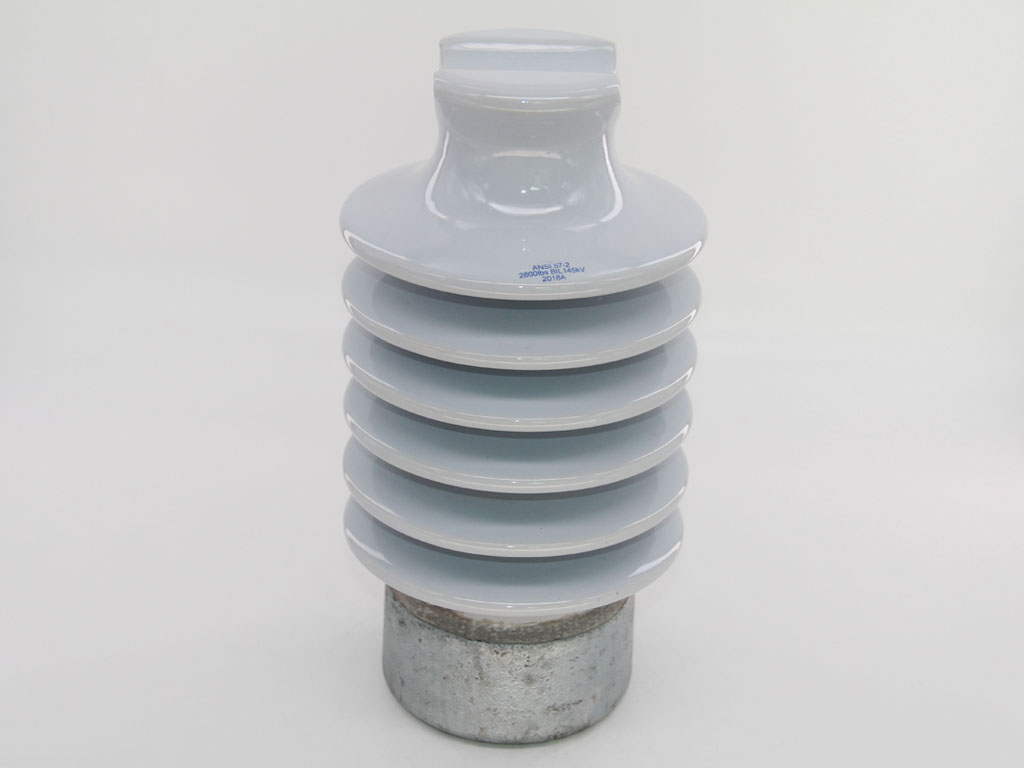
Understanding the fundamental differences between application categories streamlines the sourcing process. Each category serves a distinct structural and electrical purpose. You cannot interchange these components without compromising grid integrity. Their unique operational environments dictate their manufacturing complexity and physical dimensions. Recognizing these distinctions helps procurement teams validate vendor quotes accurately. It ensures you procure the exact hardware required for specific infrastructure upgrades.
Line Post Insulators mount directly to distribution and transmission poles. They support conductors horizontally or at an angle. Utilities often utilize them as high-capacity upgrade paths during grid modernization projects. They replace traditional pin-type units seamlessly to accommodate heavier conductor loads efficiently. This transition also reduces right-of-way requirements significantly by eliminating wide crossarms. Their compact profile makes them ideal for urban and suburban distribution networks where space is limited.
Cost factors vary based on specific design configurations. Tie-top designs require linemen to manually wrap aluminum tie wire. This takes time and causes fatigue, increasing installation labor. Clamp-top designs feature integrated hardware for faster, more secure conductor attachment. A lineman with an impact wrench secures the conductor in seconds using a bolted trunnion clamp. Trunnion variations offer different mounting angles and load distributions. The complexity of the integrated mounting hardware impacts the total assembly expense. Galvanized steel bases and specialized trunnion clamps add to the final unit evaluation. You must weigh the upfront hardware expense against long-term installation labor savings on large-scale rebuilds.
Station Post Insulators support heavy substation equipment, including busbars and switchgear. They mount vertically and must handle immense compressive and cantilever loads. Substations require absolute structural rigidity to maintain safe phase-to-phase clearances. Even minor deflection under load can cause catastrophic arcing between busbars. These units serve as the foundational support columns for the entire substation infrastructure. Their mechanical reliability is paramount for continuous facility operation and personnel safety.
High rigidity requirements drive significant manufacturing complexity. Stacking configurations become necessary for extra-high voltage (EHV) applications. For 345kV yards, we stack multiple units together to achieve the required height and BIL. Precision-machined end fittings are mandatory for these stacked assemblies. The bolt circles must align perfectly. If a manufacturer has poor dimensional tolerances, the stack leans. A leaning stack puts uneven stress on the base and misaligns the switchgear. Any deviation in height or bolt-hole alignment causes severe installation delays. These tight manufacturing tolerances naturally increase production expenses.
Material science dictates both the initial capital requirement and the long-term operational lifespan. You must choose between traditional ceramics, modern polymers, and toughened glass. Each material offers distinct mechanical advantages and logistical challenges. Procurement teams must evaluate these trade-offs against specific project requirements. A material that excels in a coastal substation might fail on a desert transmission line. Understanding these properties ensures you maximize your infrastructure investment.
Porcelain remains the historical standard for high-voltage applications. It offers exceptional mechanical stability under extreme compressive loads. The material does not degrade from prolonged ultraviolet (UV) exposure. It boasts a proven operational lifespan frequently exceeding forty years. This longevity makes it highly attractive for permanent substation installations. Utilities trust porcelain for its predictable, time-tested performance across diverse climates.
However, porcelain carries significant logistical and financial burdens. The manufacturing process requires energy-intensive kiln firing. Fluctuating global energy markets heavily influence the final unit cost. Furthermore, porcelain is exceptionally heavy and brittle. A 230kV porcelain post requires a crane for installation. You cannot manhandle it in a bucket truck. High weight drastically increases domestic and international freight expenses. You need heavy lifting equipment and specialized rigging during installation. Historical data shows a consistent transit breakage rate, forcing you to factor attrition into your initial procurement volume.
Composite units utilize a fiberglass core wrapped in a silicone rubber housing. They offer a highly competitive alternative to traditional ceramics. The baseline manufacturing expense depends heavily on global silicone commodity markets. These units are exceptionally lightweight, reducing structural stress on poles. They drastically lower shipping expenses and simplify site logistics. A two-man crew can install a 138kV composite post using just a material handler on a standard bucket truck. You eliminate the need for a dedicated crane and specialized rigging. Transit breakage is virtually eliminated due to their flexible nature.
Their primary technical advantage lies in their hydrophobic properties. Silicone rubber forces water to bead up, preventing continuous conductive paths. This self-cleaning capability ensures excellent performance in highly polluted areas. It significantly reduces the need for routine maintenance washing. However, polymers face potential degradation over decades of UV exposure. Formulation quality dictates long-term tracking and erosion resistance. You must vet vendor silicone formulations rigorously to ensure a twenty-to-thirty-year lifespan.
Toughened glass provides a unique operational advantage for specific applications. The initial procurement expense generally aligns with or slightly exceeds porcelain. Manufacturing requires specialized tempering processes to achieve the necessary mechanical strength. Glass offers excellent dielectric properties and resists environmental degradation similarly to porcelain. It does not suffer from the UV aging issues associated with early-generation polymers. Utilities often deploy glass in specific regional climates where visual inspection is prioritized.
The primary benefit is its safe failure mechanism. When a glass unit fails mechanically or electrically, it shatters completely. The remaining stub maintains mechanical support but is visually obvious. A helicopter patrol spots a missing glass skirt instantly. You do not need specialized corona cameras to find the fault. This characteristic significantly reduces long-term maintenance inspection expenses. It streamlines grid patrol operations across vast, remote transmission networks.
| Material Type | Mechanical Strength | Weight & Handling | Pollution Performance | Expected Lifespan |
|---|---|---|---|---|
| Porcelain | Excellent (High Compression) | Very Heavy / Brittle | Moderate (Requires Washing) | 40 - 50+ Years |
| Composite / Polymer | High (Excellent Tensile) | Lightweight / Flexible | Excellent (Hydrophobic) | 20 - 30 Years |
| Toughened Glass | High | Heavy / Shatters Safely | Moderate | 40 - 50+ Years |
Understanding what drives factory pricing empowers procurement teams during vendor negotiations. Unit costs reflect complex global supply chains rather than arbitrary markups. Raw material availability, energy markets, and regulatory compliance all play pivotal roles. You must track these underlying factors to anticipate market fluctuations. Recognizing these drivers allows you to lock in favorable contracts before commodity spikes. It also helps you differentiate between legitimate premium features and unnecessary expenses.
Global commodity markets directly dictate manufacturing expenses. You must track the pricing of alumina, silica, and fiberglass reinforced plastic (FRP). Silicone rubber, fiberglass, and forged steel dictate the baseline for composite units. Silicone rubber pricing fluctuates based on chemical industry output and demand. When raw material availability tightens, factory production expenses surge immediately. Manufacturers pass these increases directly to utility procurement teams. Understanding these commodity trends helps you time your bulk purchasing effectively.
Logistics and energy expenses further complicate regional variations. Global shipping container rates impact the final delivered expense significantly. High freight rates penalize heavy porcelain shipments disproportionately. Energy expenses for operating massive industrial kilns dictate ceramic production viability. Facilities in regions with unstable or expensive energy grids must charge more. You must evaluate the total delivered expense, including all international freight and customs duties.
Regulatory compliance represents a major, non-negotiable cost driver. Insulators certified to ANSI C29.7, ANSI C29.9, or equivalent IEC standards carry a premium. ANSI C29.9 dictates specific dimensions and electrical characteristics for substation applications. Testing requires high-voltage labs capable of generating massive electrical impulses. Manufacturers must invest heavily in certified testing laboratories and quality control personnel. This investment guarantees the component will perform safely under extreme grid conditions. The premium pays for verifiable reliability and public safety.
Procuring non-certified or grey market units introduces massive financial risk. Unverified components often fail prematurely under standard operational loads. A single mechanical failure can collapse a busbar, destroying millions in substation equipment. The subsequent power outage triggers severe regulatory fines and reputational damage. The initial savings from uncertified hardware never justify the catastrophic operational risks. Always demand comprehensive, verifiable type-test reports from accredited third-party laboratories.
Bare insulators rarely deploy without specialized attachment hardware. You must evaluate the added expenses of galvanized steel or cast aluminum end fittings. The quality of the galvanization dictates corrosion resistance in the field. Poorly galvanized fittings rust quickly, compromising the mechanical connection to the pole or switchgear. Upgrading to higher-grade steel or specialized alloys increases the unit expense but extends operational life.
Extra-high voltage applications introduce additional hardware requirements. Above 230kV, corona rings are mandatory. They prevent electrical discharge from degrading the polymer housing. These metal rings distribute the electrical field gradient evenly across the insulator surface. They prevent localized corona discharge, which generates radio interference and destroys silicone rubber. Engineering, manufacturing, and shipping these bulky rings impacts the total unit assembly expense. You must verify if vendor quotes include or exclude necessary corona hardware.
Procurement cannot rely solely on the initial factory invoice. You must evaluate the long-term financial impact of installing and maintaining the hardware. A cheaper unit upfront often generates massive maintenance expenses over twenty years. Conversely, a premium component might eliminate routine maintenance entirely. You must build comprehensive evaluation models that capture every operational phase. This holistic approach ensures the lowest actual expenditure over the asset's functional life.
Labor and equipment requirements vary drastically between material types. Compare the labor hours required to install heavy porcelain versus lightweight composite alternatives. Rigging porcelain takes time. You need slings, shackles, and a dedicated crane operator. This heavy machinery increases hourly deployment expenses significantly. Lightweight composites allow smaller crews to work faster with standard bucket trucks. Faster installation reduces road closure times and minimizes necessary overtime pay.
Transit attrition represents a hidden procurement expense. Historical data indicates a two to five percent breakage rate for porcelain during transit and handling. You must factor this attrition into your initial procurement volume to avoid project shortages. Ordering extra units ties up capital in surplus inventory. Composites experience virtually zero transit breakage. This durability allows you to order exact quantities, optimizing your initial capital outlay.
Routine maintenance drains operational budgets over the infrastructure's lifespan. Calculate the operational expense of live-line washing for porcelain in high-pollution areas. In high-pollution areas, porcelain requires high-pressure washing. We deploy specialized wash trucks and highly trained crews continuously. If you skip washing, you risk severe flashovers and system outages. Composite insulators offer self-cleaning, hydrophobic properties. They drastically reduce or entirely eliminate the need for routine washing schedules.
You must also estimate lifecycle replacement timelines accurately. Porcelain units routinely operate safely for forty to fifty years. Standard composite units generally require replacement after twenty to thirty years due to UV degradation. You must calculate the annualized expense based on these distinct replacement cycles. Replacing composites twice within a fifty-year window requires additional labor and material funding. Your evaluation model must balance upfront savings against future replacement obligations.
Executing a massive procurement strategy involves significant logistical and quality risks. Vendor delays can derail critical infrastructure upgrades and incur severe penalties. Substandard manufacturing runs can introduce systemic weaknesses into the grid. You must implement robust mitigation strategies before signing any purchase orders. Proactive vendor management and rigorous quality assurance protocols are mandatory. These strategies protect your project timeline and ensure delivered components meet all specifications.
Utility procurement frequently faces sixteen-to-fifty-two-week lead times for high-voltage components. Global shipping bottlenecks and raw material shortages exacerbate these delays. You cannot rely on just-in-time delivery for critical grid hardware. Structure vendor agreements to include mandatory safety stock and dedicated warehousing. Negotiate staggered delivery schedules to align with specific construction phases. This prevents project delays while minimizing your immediate on-site storage requirements.
Establish clear communication channels for production tracking. Require vendors to provide bi-weekly updates on raw material acquisition and kiln schedules. Identify potential bottlenecks early so you can adjust construction timelines proactively. Diversify your supplier base to mitigate regional manufacturing disruptions. Relying on a single factory for all substation hardware creates an unacceptable single point of failure. Split large orders between multiple vetted manufacturers to ensure continuous supply.
Vendor proposals require rigorous validation before final approval. Confirm final quotes against live commodity pricing data before issuing the Purchase Order. If global silicone prices drop, ensure your polymer quotes reflect that market adjustment. Scrutinize freight surcharges and demand transparency on international shipping container rates. Do not accept blanket price increases without verifiable market justification. Hold vendors accountable to current global economic realities.
Conduct final site condition audits before finalizing the specification. Ensure the specified creepage distances and K-values match the actual installation environment perfectly. Check the bolt circle dimensions before ordering. A desk study might suggest standard creepage, but a site visit might reveal unexpected industrial pollution. Discovering a specification error after manufacturing begins results in costly post-order modifications. Validate all physical dimensions and bolt-hole patterns against the actual substation switchgear drawings.
Quality assurance must be written directly into the procurement contract. Mandate routine, sample, and type tests for every production batch. Routine tests ensure every single unit withstands basic electrical and mechanical thresholds. Sample tests destroy a small percentage of the batch to verify ultimate tensile and cantilever limits. Do not accept historical test data for new production runs. Demand live testing documentation for your specific order.
Invest in third-party laboratory verification for massive infrastructure projects. The return on investment for independent testing via KEMA or CESI is substantial. Independent labs verify manufacturer claims objectively, removing vendor bias. Send an inspector to the factory to witness the cantilever break test personally. Visual inspection of the manufacturing facility reveals critical insights into their quality control culture. Reject any batch that fails to meet the strict ANSI or IEC parameters outlined in your contract.
Procurement decisions for high-voltage infrastructure require a comprehensive evaluation of material suitability, mechanical load requirements, and long-term operational realities. Balancing initial capital outlay against future maintenance obligations ensures grid reliability and financial efficiency. You must scrutinize vendor capabilities, enforce strict testing standards, and manage supply chain logistics proactively. A disciplined, technically sound sourcing strategy prevents catastrophic failures and optimizes utility budgets.
A: Lead times typically range from 12 to 36 weeks. This timeline depends heavily on the material type, custom hardware requirements, and current global shipping constraints. Specialized extra-high voltage units or custom bolt-hole configurations often push lead times toward the longer end of that spectrum.
A: While factory unit prices are often comparable, composite insulators generally offer a lower total installed expense. This is due to significantly reduced freight weight, zero transit breakage, and faster installation requiring less heavy machinery.
A: The required rating is dictated by the weight of the supported equipment, short-circuit forces, wind loads, and seismic activity requirements at the installation site. Engineers also calculate the required K-value to ensure proper stiffness and limit deflection under load.
A: No. Line post units are designed primarily for lateral loads on utility poles. Station post units are engineered for high rigidity, precise dimensional tolerances, and heavy vertical or cantilever loads required to support critical substation switchgear.
A: High-pollution or coastal environments require insulators with higher creepage distances or specialized hydrophobic silicone formulations. These necessary design upgrades increase the baseline manufacturing expense but prevent severe electrical flashovers and grid outages.
A: Porcelain and toughened glass units typically operate safely for 40 to 50+ years. Composite polymer units generally have an expected operational lifespan of 20 to 30 years, depending heavily on formulation quality, UV exposure, and environmental degradation.


