
T: +86-18906892820
F4-19037-6#, Yiwu Intl Trade Mart, Yiwu Jinhua, Zhejiang, China (Mainland)

Views: 118 Author: Site Editor Publish Time: 2026-06-12 Origin: Site


Opening a high-voltage distribution circuit under load presents severe safety risks. Uncontrolled electrical arcs can easily damage equipment and endanger personnel. You must extinguish these arcs immediately to prevent catastrophic failures. Installing permanent loadbreak switches at every grid disconnect point works technically. However, this approach requires massive capital. Utility networks need a safer, more scalable solution. Portable devices change this operational dynamic completely. A reliable loadbuster allows line crews to safely interrupt load currents across multiple standard disconnects. You only need a single hot-stick-mounted device per crew. This comprehensive guide breaks down the internal engineering mechanics of these tools. We will explore field implementation realities and strict operator safety protocols. Finally, you will learn the exact technical criteria necessary for evaluating and procuring these specialized tools for your utility operations.
Cost Efficiency: A portable loadbuster eliminates the need for expensive, permanent loadbreak switches at every distribution cutout.
Arc-Quenching Mechanics: The tool relies on a spring-loaded mechanism and specialized internal materials to stretch and extinguish arcs in a fraction of a second.
System Compatibility: Evaluation requires mapping tool specifications (voltage, continuous/interrupting current ratings) to your specific grid infrastructure and existing cutouts.
Operational Integrity: Consistent dielectric testing, stroke counter monitoring, and strict adherence to standard operating procedures (SOPs) are mandatory for safe deployment.
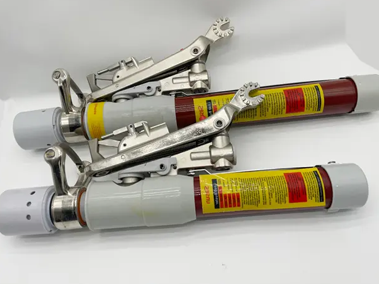
Utility operators face constant pressure to balance grid safety against strict operating budgets. Standard solid-blade cutouts and disconnect switches cannot safely break an active load. Pulling a standard blade open draws a dangerous electrical arc. This exposed energy threatens line workers directly. It also puts adjacent grid infrastructure at severe risk of flashovers. Standard cutouts serve only as visual isolation points. They were never designed to interrupt active current flows.
Grid planners frequently debate permanent versus portable solutions. Upgrading every single grid node requires dedicated loadbreak disconnects. This hardware approach represents a massive capital expenditure. Buying individual switches for every pole simply strains utility budgets too much. Many systems feature thousands of standard cutouts already installed across vast geographical areas. Replacing them all simultaneously proves financially impossible for most utility companies.
Portable solutions provide a highly effective operational alternative. Instead of mounting a switch permanently, you bring the switch directly to the pole. A single hot-stick-mounted device empowers a line worker to safely interrupt currents anywhere across a service territory. This approach consolidates equipment costs drastically. You achieve the exact same safety rating without over-equipping the entire physical network. Integrating loadbuster load break tools streamlines daily operations efficiently. One crew carries one tool to manage hundreds of disconnect points.
Understanding the internal physics reveals why these tools remain so reliable. The design prevents operator error from causing a dangerous arc flash.
The device operates independently of human physical speed. The operator pulls the tool downward using an extended fiberglass hot stick. This downward action compresses a heavy-duty internal spring mechanism. Tripping this spring forces a high-speed internal separation of the internal contacts. It does not matter how fast or slow the operator pulls the stick. The internal spring guarantees a rapid, consistent break every single time. This mechanical independence stands as the primary safety feature.
Electrical arcs naturally try to bridge the gap between separating contacts. As the internal contacts separate, the arc follows the path of least resistance. The tool design draws this arc into a tightly confined chamber. Manufacturers build this chamber using specialized arc-extinguishing materials. Industry professionals often refer to this part as a trailer and tube assembly. The restricted space forces the arc into direct physical contact against these specialized internal walls.
The intense heat of the arc causes a rapid chemical reaction. It burns fiercely against the ablative chamber walls. This reaction instantly generates a deionizing gas. The gas floods the small chamber under extreme high pressure. It strips the arc of its conductive path entirely. The gas extinguishes the arc completely within milliseconds. This entire process happens safely inside the tool before the external contacts of the cutout ever separate. You never see the arc outside the housing.
Once you open the circuit, the tool requires a physical reset. The operator must manually re-tension the internal spring. This specific action ensures the internal contacts lock securely closed. If you skip this step, the tool will fail on the next operation. Proper resetting remains a non-negotiable step for field safety. Most tools feature an external indicator showing the exact reset status.
Purchasing the wrong tool introduces severe hazards into your network. You must match the device specifications to your grid infrastructure perfectly.
Tools must strictly align with system maximum design voltages. Common ratings include 14.4 kV, 25 kV, and 34.5 kV. Interrupting current ratings usually range from 600A to 900A. You cannot use a 14.4 kV tool on a 25 kV system. Doing so risks catastrophic insulation failure. Always default to the highest possible voltage rating present in your specific service area.
System Voltage Class | Max Design Voltage | Max Interrupting Current | Typical Application |
|---|---|---|---|
15 kV Class | 14.4 kV / 17.0 kV | 600 Amps | Suburban distribution feeders |
25 kV Class | 25.0 kV / 27.0 kV | 900 Amps | Rural long-distance lines |
35 kV Class | 34.5 kV / 38.0 kV | 900 Amps | Industrial park substations |
You must assess compatibility against your existing infrastructure. The tool must securely interface with specific hooks and pull-rings. Look closely at your current cutouts, power fuses, and disconnect switches. If the attachment points do not match perfectly, the tool might slip under heavy tension. Slippage causes the external contacts to break the load prematurely. This results in a dangerous exposed arc.
Every manufacturer states a specific operational lifespan per tool. You must evaluate how many operations are permitted before a major overhaul becomes necessary. Crews measure this usage using integrated internal stroke counters. The tool will eventually require a replacement of the arc-quenching trailer. Silencer replacements are also a common maintenance requirement. Knowing these exact intervals helps you plan your maintenance cycles accurately.
Component | Inspection Frequency | Replacement Trigger |
|---|---|---|
Fiberglass Tube | Daily before use | Deep scratches or carbon tracking |
Arc-Quenching Trailer | Every 500 strokes | Manufacturer specified stroke count reached |
Internal Spring | Annual tear-down | Loss of tension or reset failure |
Operators handle this device at the end of an extended fiberglass hot stick. Weight directly impacts operator fatigue during long shifts. Fatigue leads to improper angles and physical safety hazards. Lighter models reduce physical strain significantly. Lighter tools allow for much better control during adverse weather conditions or emergency night repairs.
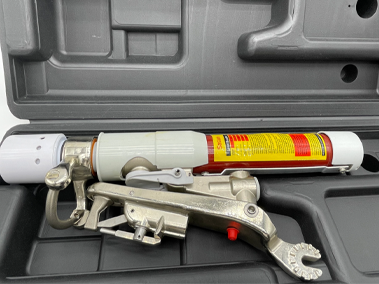
Having the right tool solves only half the problem. Executing the correct operational procedures ensures the ultimate safety of the line crew.
Successful operation relies on exact positioning. Crews must receive rigorous training on proper application angles. Applying the tool at the wrong angle causes mechanical binding. It can also lead to side-loading or a complete failure to trip. The operator should stand directly below or slightly forward of the cutout. Extreme side angles put dangerous physical stress on the external tool housing.
Operators cannot rely on sound alone. A loud mechanical pop does not guarantee a safe break. They must visually confirm the mechanical stroke. The internal mechanism must fully separate. You must confirm the circuit is open before removing the device from the cutout. Pulling the tool away too early can draw an arc if the internal break failed.
Adverse conditions affect electrical performance significantly. Establish clear standard operating procedures for severe weather events. Heavy rain and ice accumulation change the dielectric properties of the equipment. Always base your usage limits strictly on manufacturer compliance data. If ice completely locks the cutout, do not use the tool to forcefully break the ice.
Standard Operating Procedure (5-Step Sequence)
Approach the cutout directly at the manufacturer-specified optimal angle.
Engage the pull-ring securely on the internal tool hook.
Extend the tool firmly to lock the upper ring into place.
Pull down using a smooth, continuous, deliberate motion until the mechanism trips.
Visually verify the open physical gap before disengaging the tool from the pole.
Common Mistake: Never use the body of the tool as a hammer to close a stubborn cutout. This physical abuse damages the delicate internal arc-quenching chamber permanently.
Tools naturally degrade over time. Maintaining their structural and electrical integrity prevents fatal field accidents.
Mandate visual checks before every single shift begins. Crews must look closely for housing cracks. They should check for excessive carbon tracking along the external tube. Carbon tracks act as a dangerous conductive path for electricity. Secure attachment mechanisms require strict daily verification. Catching minor wear prevents major field accidents.
Most modern tools include an integrated operation counter. Utilize this counter to track internal wear accurately. High-current interruptions degrade the internal materials much faster than low-current breaks. Never exceed manufacturer limits for total maximum operations. If the counter breaks, pull the tool from active service immediately.
Implement a rigid scheduled maintenance program. You must periodically tear down the tools entirely. Clean the internal components thoroughly and re-lubricate all moving parts. Subject the external fiberglass tubing to rigorous dielectric testing. This specific testing ensures it maintains optimal insulating properties. Industry safety standards require this testing to prevent current leakage down the hot stick.
Deferred maintenance invites absolute disaster. Failing to service the tool causes catastrophic internal flashovers. The device may fail to break the load entirely during an operation. This failure exposes personnel to severe, immediate safety hazards. Consistent maintenance guarantees operational readiness. Proper care extends the working life of the tool significantly.
Best Practice for Maintenance Integration:
Daily: Visual inspection of the tube and housing integrity.
Monthly: Verify the stroke counter and test the spring reset mechanism on a dummy block.
Annually: Perform a complete teardown, chemical cleaning, and certified dielectric test.
Condition-Based: Replace the trailer and tube immediately after hitting maximum high-current arc interruptions.
Understanding the mechanical reality of these portable devices resolves complex grid disconnect challenges. A portable load break device stands as a highly engineered lifeline for line crews. You must evaluate these units accurately against specific grid parameters. Haphazard deployments inevitably lead to equipment failure.
To ensure long-term success, focus on these critical actions:
Prioritize exact hardware compatibility with existing cutouts to prevent mechanical binding.
Invest in rigorous, recurring operator training focused heavily on approach angles and visual verification.
Enforce uncompromising maintenance schedules based directly on integrated stroke counters.
Next steps require immediate action. Audit your current cutout inventory across the entire grid system. Request detailed technical specification sheets from tier-one manufacturers. Match those exact specs to identify the precise tool rating your grid demands today.
A: No. While they are highly versatile, load break tools must only be used on cutouts, power fuses, and disconnects equipped with compatible loadbuster attachment hooks and pull-rings.
A: Service intervals depend on frequency of use and the amperage of the loads interrupted. Most manufacturers recommend a detailed inspection, parts replacement (like the trailer and tube), and testing after a specific number of operations (e.g., 500 to 2,000 strokes) or during annual fleet compliance checks.
A: No. The safety value of a loadbuster is its internal spring-loaded mechanism. Once tripped, the internal contacts separate at a predetermined, high speed, completely independent of the operator's physical pulling speed.


