
T: +86-18906892820
F4-19037-6#, Yiwu Intl Trade Mart, Yiwu Jinhua, Zhejiang, China (Mainland)

Views: 126 Author: Site Editor Publish Time: 2026-03-16 Origin: Site


Have you ever wondered about porcelain vs glass insulator differences in power lines? Both provide insulation, yet they differ in fault visibility, dielectric strength, and maintenance needs. In this article, you will learn the difference between porcelain and glass insulators and how to choose the best option. Sasun's toughened glass insulator products offer reliable performance, so you can learn more about our products.
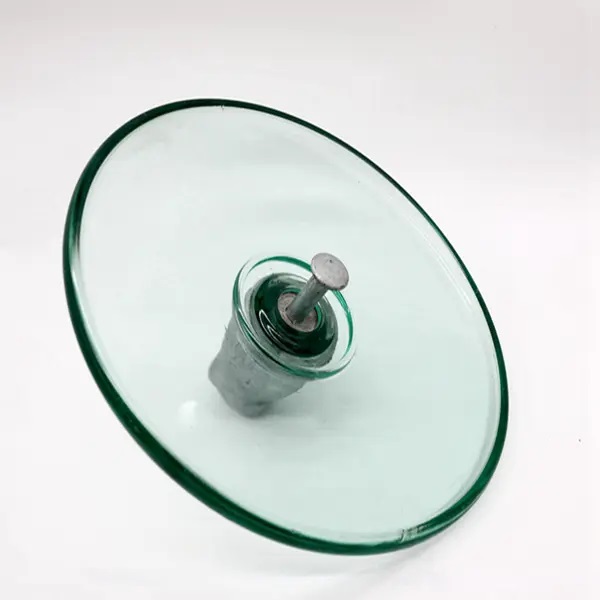
The first key point in the difference between porcelain and glass insulators in power lines is how each one is made. Porcelain insulators come from ceramic materials such as clay, quartz, and feldspar. They are fired at high temperature and then glazed to resist moisture and dust. Glass insulators are produced from toughened or tempered glass. This gives them a homogeneous structure with smooth surfaces. These manufacturing differences influence strength, inspection behavior, and cost. Porcelain can be cast into irregular shapes for special designs, while glass discs are more standardized for suspension strings. Both remain widely used, but the production method affects how they perform under high voltage stress.
A major porcelain vs glass insulator comparison involves fault visibility. Glass insulators have a unique “zero-defect recognition” feature. When the internal structure fails, the glass shatters completely, making the damage obvious from the ground. This helps utilities replace faulty discs quickly. Porcelain insulators do not show damage as clearly. Internal cracks can remain hidden, so testing tools are needed during inspections. This difference affects maintenance planning and outage risk. In large transmission networks, faster fault identification can reduce labor cost and improve reliability, which is why many utilities see glass insulator advantages over porcelain in modern projects, especially with toughened glass disc products designed for visible self-shattering behavior.
Electrical strength is another core part of glass insulator vs porcelain insulator comparison. Glass typically provides higher dielectric strength, often around 140 kV/cm, while porcelain is closer to 60 kV/cm (needs verification). This means glass can withstand stronger voltage stress in extra-high-voltage systems. Porcelain still offers stable insulation, but it may require coatings or more frequent cleaning in polluted environments. When selecting insulator materials, utilities must consider voltage level, contamination risk, and long-term reliability. The higher dielectric margin of glass explains why it is often preferred in modern overhead transmission lines.
Core Performance Differences
Feature | Porcelain Insulators | Glass Insulators |
Material | Ceramic (clay, quartz, feldspar) | Toughened or tempered glass |
Fault detection | Hidden cracks, needs testing | Visible shattering, easy inspection |
Dielectric strength | Lower (~60 kV/cm) | Higher (~140 kV/cm) |
Pollution behavior | More contamination buildup | Smooth self-cleaning surface |
When engineers ask which is better porcelain or glass insulator, the voltage range is usually the first factor. Glass insulators are widely used in high voltage and ultra-high voltage transmission lines because they can be installed as modular disc strings. Utilities can add more discs to increase insulation strength for 220kV, 500kV, or higher systems. Porcelain is still common in substations and medium-voltage distribution networks, especially where legacy compatibility matters. Both materials can support high voltage ratings, but glass often provides better scalability for long-distance overhead projects.
Environmental conditions strongly affect insulator durability comparison. In coastal areas, salt fog can create conductive layers that increase flashover risk. Glass insulators have smoother surfaces that resist dirt buildup and offer better self-cleaning performance. Porcelain insulators may require RTV coatings or more frequent washing. In industrial zones with heavy pollution, glass insulator advantages over porcelain become more important because stable surface performance reduces maintenance burden. Selecting the right profile and creepage distance remains critical for both materials.
Tip: For projects in coastal or industrial zones, prioritize insulators with anti-pollution profiles and adequate creepage distance.
Mechanical behavior is another key difference between porcelain and glass insulators. Porcelain typically offers very high compressive strength, around 70,000 kg/cm², but lower tensile strength (~500 kg/cm²). Glass has lower compressive strength (~10,000 kg/cm²) but much higher tensile strength (~35,000 kg/cm²) (needs verification). This means porcelain performs well under heavy stationary loads, while glass handles tension in suspension strings effectively. Engineers must match material strength to tower design, conductor load, and wind vibration conditions.
The cost difference between porcelain and glass insulators often shows glass as more economical in many markets. Mature manufacturing processes make glass discs widely available at lower unit prices. Porcelain units may cost more, especially for specialized shapes and heavy-duty station posts. Procurement teams must consider not only price but also logistics, installation needs, and inspection practices when choosing between these materials.
Long-term cost is where porcelain and glass insulators pros and cons become clear. Glass reduces inspection cost because faults are visible. Damaged discs can be replaced quickly, lowering downtime. Porcelain requires more frequent testing to find hidden cracks, which increases labor expenses. Over decades, glass often delivers lower lifetime maintenance cost, making it attractive for large-scale transmission utilities. Sasun's toughened glass disc suspension insulators are often highlighted for supporting this type of preventive maintenance efficiency.
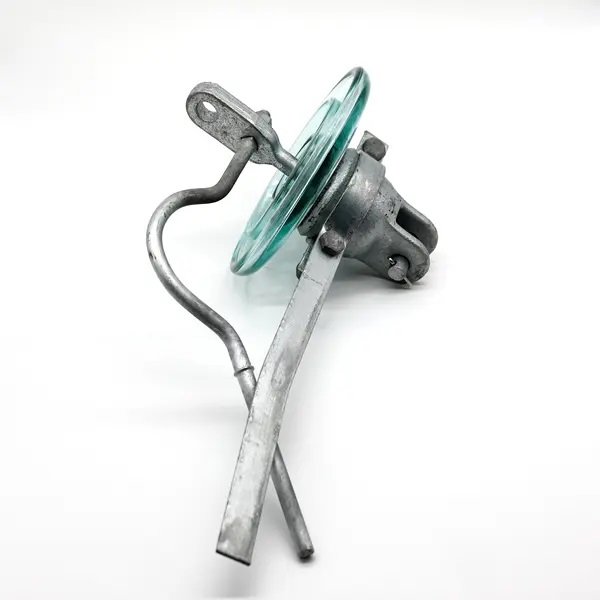
Glass insulators support modular replacement. Utilities can swap one damaged disc without removing the full string. This improves outage response speed. Porcelain failures may remain undetected longer, increasing operational risk. In systems where reliability is critical, faster replacement cycles provide strong economic value.
Cost and Maintenance Comparison
Factor | Porcelain Insulators | Glass Insulators |
Unit cost | Generally higher | Generally lower |
Fault inspection | Requires testing | Visual detection |
Replacement method | Often slower | Modular disc replacement |
Lifetime maintenance cost | Higher operational effort | Lower due to easy inspection |
One of the most cited glass insulator advantages over porcelain is self-shattering behavior. When damaged, glass breaks visibly, preventing defective units from staying in service unnoticed. This reduces hidden failure risk and improves safety for line crews. Sasun's disc suspension toughened glass insulators are designed around this “zero-value self-shattering” feature, making inspection and replacement more straightforward.
Glass properties remain stable over long service periods, with minimal aging effect on electrical and mechanical performance. Porcelain may experience gradual property changes due to corrosion, temperature cycling, or surface wear. For utilities planning 30–50 year infrastructure, stable aging behavior improves lifecycle confidence.
Glass surfaces resist contamination buildup better than porcelain. This improves pollution withstand performance and reduces cleaning frequency. In heavily polluted regions, glass becomes a strong choice for durable overhead insulation.
Note: Glass visibility and stable aging make it especially valuable for large networks where inspection efficiency matters.
Porcelain has been used for over a century and remains widely trusted. Many older substations and distribution networks are built around porcelain-based components. Utilities may continue using porcelain for consistency and proven track record.
Porcelain insulators are often preferred in substations because they can support heavy equipment loads. Station post insulators require high compressive strength, and porcelain performs well in these fixed installations.
Porcelain can be molded into complex shapes, making it suitable for special high voltage applications where glass manufacturing may create internal strain during cooling. This design flexibility keeps porcelain relevant in certain engineering contexts.
Best Use Cases
Application Area | Recommended Material |
Ultra-high-voltage transmission | Glass disc suspension insulators |
Substations and station posts | Porcelain insulators |
Polluted coastal environments | Glass with anti-pollution profile |
Legacy distribution networks | Porcelain for compatibility |
The answer to which is better porcelain or glass insulator depends on voltage level, local climate, and inspection strategy. Glass is often best for modern overhead transmission where high dielectric strength and easy fault visibility are important. Its self-shattering feature makes damaged units simple to identify during routine line patrols. Porcelain remains a strong choice for substations and legacy networks because of its proven history and high compressive strength. Utilities should match the insulator type to conductor load, tower design, and long-term reliability targets.
Glass tends to offer lower maintenance cost because faults are visible and replacement is modular. Inspection is faster, and utilities can swap individual discs instead of removing an entire string. Porcelain provides strong mechanical stability and long service records, but hidden cracks may require more testing effort. Procurement teams must balance upfront material cost with operational labor, outage risk, and lifecycle expenses over decades. In many large transmission projects, the long-term savings from easier inspection can make glass more cost-effective.
EPC contractors consider installation logistics, replacement access, environmental exposure, and available maintenance resources. Glass insulators are attractive for long-span overhead lines where inspection speed and high voltage performance matter. Porcelain is often preferred in substations or specialized designs requiring complex shapes. Both materials remain essential in modern grids, and the best decision depends on project conditions, safety priorities, and reliability requirements.
Tip: Always evaluate insulator choice using lifecycle cost, not only unit price, especially for long-span transmission projects.
Porcelain may develop micro-cracks that are difficult to detect externally. These defects can grow over time under mechanical stress and thermal cycling. Regular inspection, testing tools, and preventive replacement programs help reduce unexpected failures. Utilities often monitor porcelain units closely in older networks where aging infrastructure increases risk.
Glass insulators can break from vandalism, flying debris, or accidental impact. However, the visible shattering behavior allows quick identification from the ground. Maintenance teams can replace damaged discs before outages occur, which improves reliability and reduces downtime compared with hidden internal failures.
Both porcelain and glass face flashover risks in polluted environments. Salt fog, industrial dust, and moisture can form conductive layers on the insulator surface. Proper creepage distance design, grading rings, washing schedules, and anti-pollution profiles are key strategies to prevent contamination-related outages.
Composite polymer insulators are gaining market share because they are lightweight and have hydrophobic surfaces that resist contamination. They compete with both porcelain and glass in certain transmission and distribution applications, especially in heavily polluted regions.
Despite the growth of composites, glass and porcelain remain dominant in many power grids. Their proven service life, established standards, and predictable performance keep them widely trusted for critical infrastructure.
New coatings, improved anti-pollution shed designs, and advanced manufacturing standards continue to enhance both glass and porcelain insulators. These innovations help utilities meet modern transmission challenges, including higher voltages, harsher environments, and stricter reliability demands.
The difference between porcelain and glass insulators depends on fault visibility, dielectric strength, pollution performance, and lifecycle cost. Glass insulators offer higher strength, smooth self-cleaning surfaces, and visible self-shattering detection for modern high voltage lines. Sasun's toughened glass insulator products add durable value with reliable inspection and long-term transmission solutions.
A: The difference between porcelain and glass insulators includes fault visibility and dielectric strength.
A: Glass insulators suit modern high voltage lines with stronger electrical performance.
A: Glass often has lower unit and maintenance costs due to easy inspection.
A: Glass self-shattering makes damaged units easy to detect and replace.


