
T: +86-18906892820
F4-19037-6#, Yiwu Intl Trade Mart, Yiwu Jinhua, Zhejiang, China (Mainland)

Views: 169 Author: Site Editor Publish Time: 2026-03-02 Origin: Site


Have you seen disc strings on power towers and wondered how does a suspension insulator work in transmission lines? It provides electrical insulation and strong mechanical support above 33kV. In this article, you will learn the suspension insulator working principle, voltage distribution, and leakage prevention. Sasun's suspension insulator products offer reliable performance in harsh environments, so you can learn more about our products.
The suspension insulator working principle is based on high dielectric strength materials that stop electricity from flowing into grounded structures. Each disc unit is usually made of porcelain, toughened glass, or polymer composite materials, all of which have very high resistivity. When voltage is applied, the conductor remains energized, but the insulator body prevents current from traveling through the tower. In overhead systems, multiple discs are connected in series to form a suspension insulator string, which increases the total breakdown voltage. Since each disc is typically rated around 10–12kV, engineers can scale the insulation level simply by adding more units. This modular approach makes suspension insulator operation in high voltage networks both flexible and reliable.
The suspension insulator function in overhead line system design is always dual-purpose. Electrically, it isolates the conductor from the supporting tower and prevents leakage currents that could lead to flashover or outages. Mechanically, it supports the weight of the suspended wire and withstands strong forces caused by wind, ice loading, and vibration. Because the insulator string hangs freely, it can swing slightly during storms, which reduces stress on both the conductor and tower hardware. This flexibility is one reason suspension insulators are preferred over rigid designs in long-span transmission projects.
A suspension insulator prevents current leakage through both material properties and surface geometry. The disc shape increases the creepage distance, which is the surface path that leakage current would need to travel. This longer path reduces the risk of surface flashover, especially in wet or polluted conditions. In addition, porcelain, glass, and polymer insulators resist conduction because their electrons are tightly bound, so current cannot flow freely. Engineers also design sheds and skirts so rainwater does not form continuous conductive films. These features work together to improve electrical insulation and reduce failure risk.
Tip: In polluted or coastal environments, selecting insulators with longer creepage distance greatly improves leakage current control.
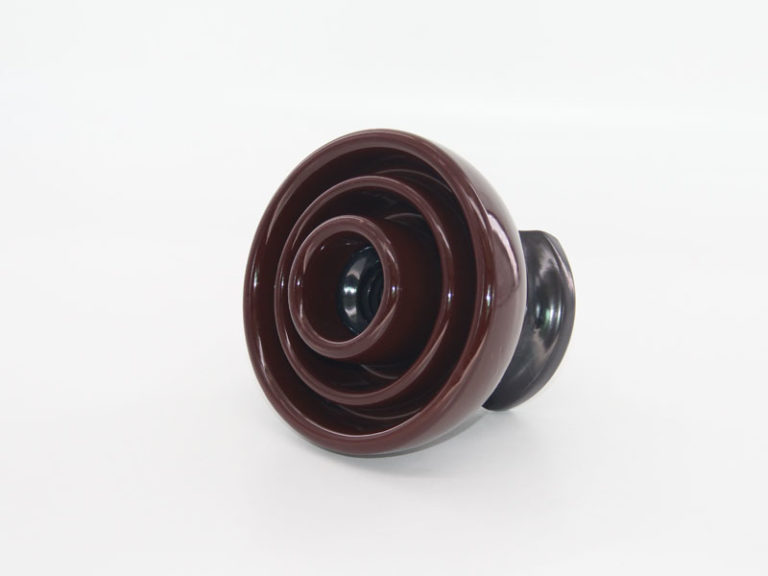
Suspension insulator construction and working process rely on modular disc units connected by metal fittings. The string is attached at the top to the tower cross-arm, while the conductor is suspended at the bottom end. Each unit is built with an insulating disc and metallic connectors, allowing flexibility and strength. When voltage is applied, the electrical stress is distributed across the series-connected discs rather than concentrated in one large insulator. This is why suspension insulators are widely used above 33kV, where pin insulators become bulky and uneconomical. Their modular nature also makes maintenance easier because damaged discs can be replaced individually. Brands like Sasun emphasize designs that combine strong mechanical support and reliable insulation under wind and ice loading.
The cap-and-pin structure is the most common suspension insulator design. Each disc has a steel cap cemented on the top side and a steel pin on the bottom side. These fittings connect through ball-and-socket joints, forming a flexible string. This design provides high mechanical strength while allowing movement under load. Utilities prefer cap-and-pin suspension insulators because replacement is simple and standardized. If one unit fails, the rest of the string can still hold the conductor safely until maintenance crews replace the damaged disc.
Suspension insulators are made from porcelain, toughened glass, or polymer composite materials. Porcelain offers long-term durability and strong mechanical performance. Glass provides high dielectric strength and makes defects visible because damaged glass discs shatter. Polymer insulators are lightweight and have hydrophobic surfaces that resist contamination buildup. Each material choice depends on voltage level, pollution severity, and mechanical loading requirements. Together, these materials ensure suspension insulator performance under mechanical stress and harsh environmental exposure. Sasun's composite suspension insulator products often highlight hydrophobic silicone rubber surfaces for improved pollution resistance.
Common Suspension Insulator Materials
Material Type | Key Advantage | Best Use Environment |
Porcelain | Durable and strong over decades | General transmission networks |
Toughened Glass | Easy fault detection, high dielectric | High voltage lines with inspection needs |
Polymer Composite | Lightweight, pollution resistant | Coastal and industrial areas |
How suspension insulator string distributes voltage is one of the most important engineering questions in high voltage design. Ideally, each disc would share equal voltage stress, but in practice, voltage distribution is uneven. The disc closest to the conductor experiences the highest electric field, while the disc near the grounded tower carries less stress. This happens because of stray capacitance between metal fittings and the tower. Uneven distribution reduces string efficiency and increases the risk of puncture or flashover at the most stressed disc.
Uneven voltage stress affects long-term reliability because the lower discs carry more electrical load than the upper discs. This means the effective flashover voltage of the entire string is lower than the simple sum of each disc’s rating. In wet conditions, flashover voltage can drop by more than 50% (needs verification), which makes voltage stress management even more critical. Engineers improve string efficiency by optimizing disc spacing, using longer cross-arms, and applying grading hardware. Understanding this effect is essential for extra-high-voltage transmission design.
Grading rings are metallic rings installed at the high voltage end of the string. They reduce electric field concentration at the bottom disc and help equalize voltage distribution across the string. By smoothing the electric field, grading rings reduce corona discharge, improve flashover performance, and extend insulator life. They are especially important in very high voltage lines where electrical stress is extreme. Utilities often include grading rings as a standard feature in extra-high-voltage suspension insulator installations.
Typical Disc Units Required for Standard Voltages
Line Voltage (kV) | Typical Number of Discs |
69 | 4 |
115 | 6 |
230 | 14 |
345 | 18 |
500 | 34 |
765 | 60 |
Note: Voltage distribution hardware like grading rings becomes more important as disc count increases.
Suspension insulator operation in high voltage networks is the global standard for transmission systems above 69kV. Their modular design allows engineers to build insulation strings for 110kV, 220kV, 400kV, and even higher. This adaptability is critical as grids expand and voltage upgrades become necessary. Suspension insulators also support long-distance transmission where mechanical loading is high. Their combination of insulation strength and mechanical flexibility makes them essential for modern power infrastructure.
Suspension insulators must perform under strong mechanical stress from conductor tension, wind vibration, and ice accumulation. The flexible hanging string absorbs these forces and prevents cracking. Standard disc units can support loads of 80–120 kilonewtons, which shows their mechanical strength. This is why suspension insulators are preferred in long spans, river crossings, and mountain regions where tension loads are extreme. Their design ensures both safety and durability in demanding conditions.
Harsh environments such as coastal salt fog, industrial pollution, and heavy moisture create additional challenges. Contaminants can form conductive paths that increase leakage current and flashover risk. Polymer suspension insulators with hydrophobic silicone rubber sheds perform especially well in such conditions. Longer creepage distances and proper maintenance practices also improve reliability. Environmental adaptation is one reason suspension insulators remain the dominant overhead line insulator solution worldwide.
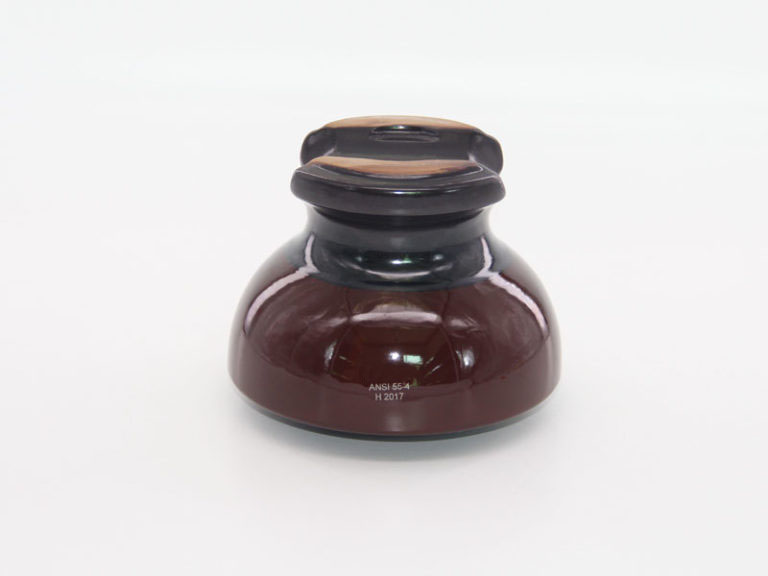
Suspension insulator vs pin type insulator comparison often comes down to voltage and scalability. Pin insulators are economical up to about 33kV but become bulky and inefficient at higher voltages. Suspension insulators, in contrast, are modular and can handle any practical transmission voltage by adding more discs. This makes them the preferred solution for modern high voltage power transmission systems.
The working mechanism of suspension insulators offers key advantages. They provide flexibility under mechanical stress, modular voltage scalability, and easier maintenance. If one disc fails, only that unit needs replacement, which reduces downtime. They also improve system reliability by preventing catastrophic insulation breakdown across the entire string.
Suspension Insulator vs Pin Insulator
Feature | Suspension Insulator | Pin Type Insulator |
Voltage Range | Above 33kV to extra-high voltage | Up to ~33kV |
Design | Modular disc string | Single rigid unit |
Maintenance | Replace individual discs | Replace entire insulator |
Mechanical Flexibility | High, swings under wind load | Limited, rigid mounting |
Suspension insulators may fail through flashover or puncture. Flashover occurs when air around the insulator becomes conductive, creating an arc along the surface. Puncture occurs when the disc material breaks down internally, causing permanent damage. Most designs ensure flashover happens before puncture to protect the disc from irreversible failure. Understanding these modes helps utilities plan protective insulation coordination.
Pollution, salt, and water on the surface can increase leakage current and reduce flashover voltage dramatically. This is why outdoor insulators are shaped with multiple sheds to keep parts of the surface dry. Regular washing, silicone coatings, and polymer designs reduce pollution-related risks. Utilities must consider environmental severity when selecting insulator type and creepage distance.
Long-term reliability depends on routine inspection, cleaning, and timely replacement of damaged discs. Thermal imaging is often used to detect abnormal heating caused by leakage currents. Because suspension insulators are modular, repairs are cost-effective compared to replacing entire assemblies. Proper maintenance ensures safe operation and reduces outage risk in high voltage networks.
Note: Predictive inspection tools help utilities detect insulator aging before failures occur.
Suspension insulators are widely used in overhead transmission lines, substations, and long-span installations. Their ability to provide scalable insulation makes them essential for modern power grids. They also allow safe conductor suspension without grounding current through the tower structure.
In coastal, industrial, or mountain environments, suspension insulators must resist contamination and extreme mechanical loads. Polymer composite designs are increasingly chosen for polluted regions because they reduce moisture film formation. Their lightweight nature also lowers installation costs in long-distance transmission projects. Sasun's suspension insulator products are often selected for such conditions because they combine hydrophobic performance and strong mechanical support.
By preventing current leakage and supporting conductors mechanically, suspension insulators protect equipment, workers, and communities. They reduce flashover risk, improve grid stability, and ensure reliable power delivery worldwide. Many B2B utilities value Sasun for providing compliant high voltage insulator solutions that support safe and stable transmission systems.
Understanding how does a suspension insulator work in transmission lines shows its role in high voltage systems. Its modular disc string design provides strong insulation, mechanical support, and reliable performance in harsh conditions. Voltage stress is improved through grading rings and optimized creepage distance. Sasun's suspension insulator products add value with durable materials and trusted solutions for modern overhead networks.
A: A suspension insulator works by providing electrical insulation and mechanical support in overhead systems.
A: The suspension insulator working principle uses disc units to prevent current leakage and flashover.
A: Suspension insulator strings use grading rings to improve voltage distribution and reduce stress.
A: Suspension insulator designs scale above 33kV, while pin insulators suit lower voltages.


